
Itchy breasts: causes and effective treatments

Itchy breasts: causes and effective treatments
Updated on , approved by our DUCRAY medical experts.
Every woman, young or old, can be affected by itchy breasts. Yet many people don't dare talk about it, associating the itching with intimate discomfort. Sometimes they are afraid that itchy breasts will be perceived as a lack of hygiene and care. Others worry that an itchy breast or itchy nipple could be a sign of a serious illness, such as inflammatory breast cancer. So what should you do about itchy breasts? Are there any signs to look out for, such as nipple irritation or a burning nipple? What can be done to soothe this unpleasant sensation? Find out more in this article.
Itchy breasts, itchy nipples: what are the possible causes?
There are many causes of itchy breasts and itchy nipples. Fortunately, most of them are not serious.

Common causes of itchy breasts
More often than not, it's simply female hormones that cause itchy breasts. Breasts are sensitive to hormonal fluctuations.
Itchy breasts or an itchy nipple are common.
- Itchy breasts during pregnancy are sometimes the first sign that a mother-to-be is pregnant. Unfortunately, itchy breasts are not limited to early pregnancy and can last throughout the nine months. There are hormones involved, of course, but this is also because of the physical changes that occur in the breasts during pregnancy. Most of the time, the breasts get bigger, while the nipple and areola change. After giving birth, breastfeeding can also be a major cause of itchy breasts. Incorrect positioning of the baby when feeding can lead to micro-tears on the tip of the breast and itching of the nipple.
- Before your period: itchy breasts are commonly associated with premenstrual syndrome. This is defined as all the physical and psychological signs that precede the onset of menstruation.
- At the time of any hormonal imbalance: pre-menopause, menopause, contraceptive pill, etc.
There are also a number of dermatological causes of itchy breasts. In this case, the breast may show lesions such as red patches or small pimples:
- A chronic inflammatory skin disease, such as eczema, can affect the breast and cause itching.
- A skin infection, for example a fungal infection of the folds that develop under the breasts.
- A skin allergy, for example to a cream or perfume applied to the décolleté, to ingredients in a soap or detergent, to the metal frame of a bra...
- Irritation, because of tight clothing, excessive sweating, etc.
In addition to hormonal factors and infections, certain medical therapies can also cause itchy breasts. This is particularly true of itching caused by certain anti-cancer treatments, which often affect the skin and mucous membranes.
Itchy breasts: signs of fungal or bacterial infection
Itchy breasts can be a sign of various infections, particularly fungal or bacterial.
Fungal infections of the breasts are often opportunistic, which means that they occur mainly in people with weakened immune systems, such as those with HIV, cancer patients or those undergoing chemotherapy. The fungi responsible often include Candida, which can cause itchy nipples.
Bacterial infections are more common and are often responsible for itchy nipples. Bacteria such as staphylococci and streptococci can infect the breasts and cause nipple irritation and itching.
If you experience itchy breasts, nipple irritation, swelling or abnormal discharge, it's important to consult a doctor. He will be able to carry out tests to identify the bacteria or fungi responsible. Sometimes the results can be wrong, which is why it is so important to have medical follow-up to make the right diagnosis.
Paget's disease of the breast: symptoms and risks
Finally, itchy breasts can sometimes be a sign of a more serious disease: this is a rare form of breast cancer, accounting for around 1-3% of all cases of breast cancer (1), called Paget's disease of the nipple.
At first, the person feels itching in the nipple and the areola. The lesion affecting the nipple may resemble eczema or psoriasis at first, but unlike those conditions, it does not improve with topical corticosteroids. Over time, it may even alter the appearance of the nipple — a change that often sets off alarm bells and prompts further investigation.
Further tests lead to a diagnosis of breast cancer, and treatment is quickly put in place.

How can breastfeeding affect itchy nipples?
Itchy nipples during breastfeeding are fairly common and can be caused by a number of factors:
- Nipple eczema (2) is a skin irritation that causes itching and redness on the nipples and areola (the dark area around the nipple). This is often due to dry skin or an allergic reaction.
- If the baby is in a bad position(2), this can put too much pressure on your nipples, which can cause pain and itching. It is important to ensure that your baby is well-positioned at the breast to avoid irritation.
When should I see a doctor about itchy breasts?
Itchy breasts can be embarrassing, but they are not always a sign of a serious problem. However, it is important to know when to consult a doctor.
Here are the symptoms that require medical attention:
- If you feel a lump in the breast or a change in the shape of the breast.
- In the event of persistent breast pain.
- In cases of nipple eczema or skin changes.
- If itching persists or is accompanied by redness, pain, bruising or abnormal discharge (pus or blood).
How can you tell the difference between benign itchy breasts and cancer?
The only way to tell the difference between an itchy breast that's not serious (linked, for example, to mastitis or hormonal changes) and a symptom of cancer is to seek medical advice.
Especially if you experience nipple itching that does not go away, accompanied by persistent pain and/or a lump in the breast, or if you notice significant changes in the appearance of the skin of the breast or nipple, or an abnormal discharge of fluid, you should consult a healthcare professional as soon as possible to rule out the possibility of cancer.
Risks of ignoring persistent itchy breasts
The risks of ignoring persistent itchy breasts can lead to:
- In the mildest cases, prolonged discomfort, with pain and irritation that could easily be relieved.
- In more serious cases, a worsening of infections, such as mastitis developing into an abscess.
- In very serious cases, a delay in diagnosis in the case of breast cancer (inflammatory breast cancer or Paget's disease).
So if the symptoms of itchy breasts persist, it's best to seek medical advice to rule out any serious problems.
What medical tests are needed to diagnose the causes of itchy breasts?
When nipple itching persists, a medical check-up can identify the cause.
The first examination is clinical: the doctor observes the skin of the breasts, looking for any skin abnormalities such as redness, thickening or flaking, and palpates the skin to detect any additional abnormalities. If necessary, dermatological tests may be carried out to identify an allergic or infectious cause.
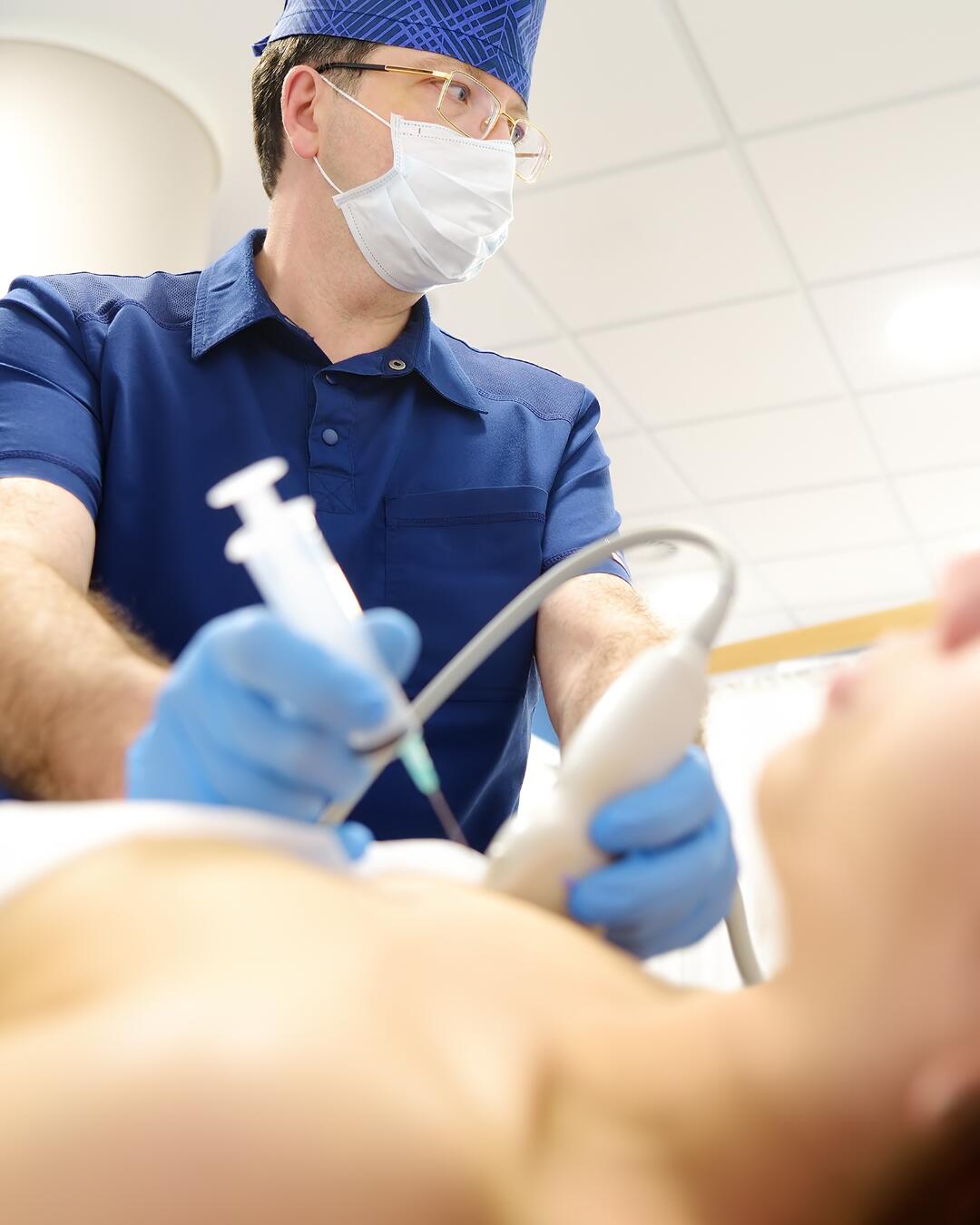
To complete this initial assessment, imaging examinations(3) such as mammography and breast ultrasound may be prescribed to visualise any lumps, cysts or lesions that cannot be detected with the naked eye.
Only in the case of a suspicious abnormality should a breast biopsy be performed(3): a tissue sample is then analysed in a laboratory to determine whether it is a benign lesion or a more serious pathology.
How can I relieve itchy breasts?
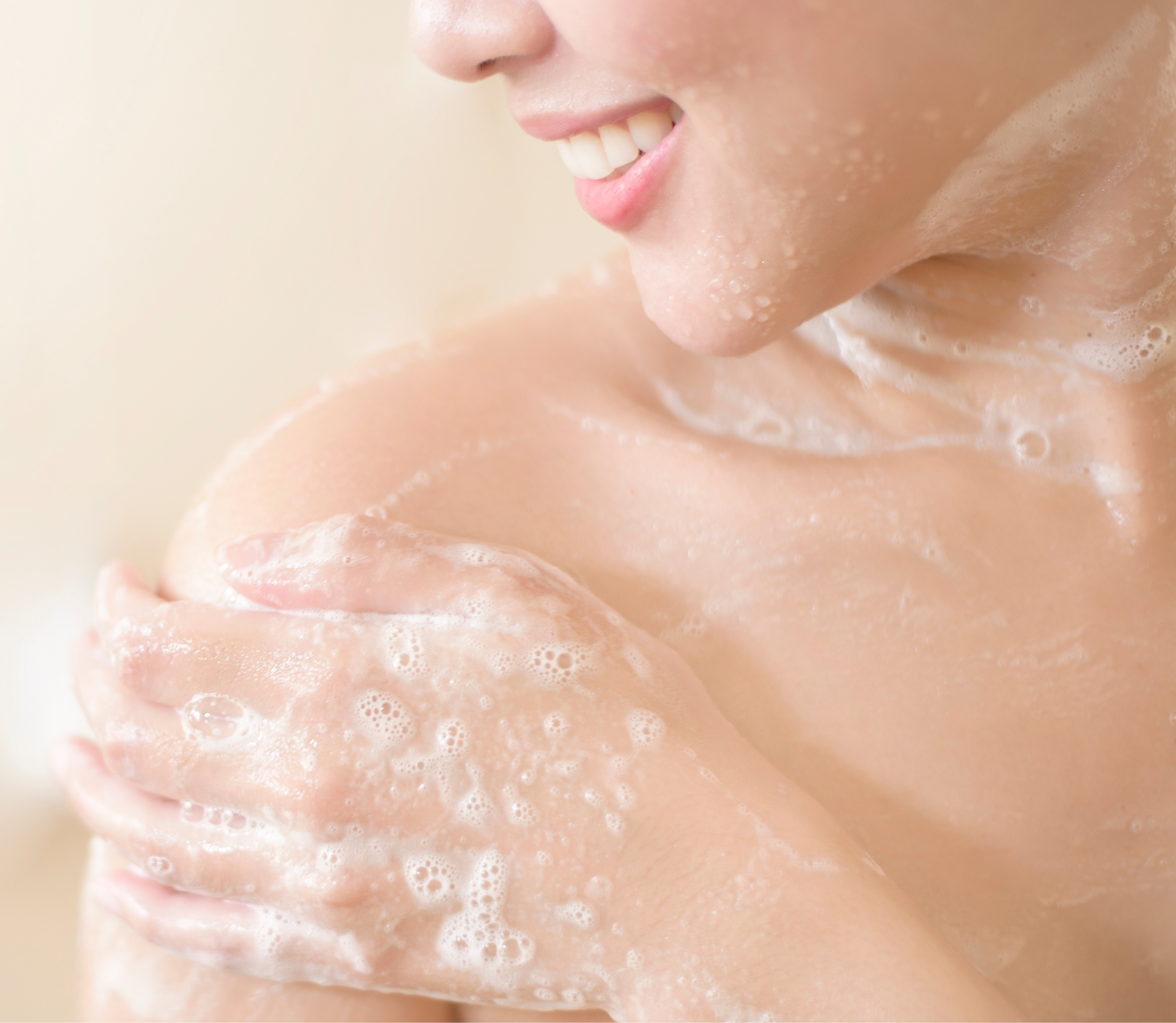
To begin with, wash the breasts gently, without rubbing, only with your hands: use a lipid-enriched soap or a soothing cleansing oil, rinse well and dry by dabbing gently with a soft cotton towel.
Wear comfortable cotton underwear. Remove the metal underwire from bras if necessary.
Every day after showering, apply a soothing moisturiser to the breasts, free of perfume or harmful substances.
If the nipple or areola is itchy, apply a small compress or cotton pad before putting on the bra to limit rubbing.
Medical solutions and treatments
When itching in the chest becomes persistent or is linked to a skin condition, medical treatment may be necessary. Soothing creams and local treatments are often recommended to moisturise the skin and reduce inflammation. Depending on the context, the dermatologist may recommend:
- emollient creams to help restore the skin barrier and soothe dry skin.
- corticosteroid-based creams, particularly for eczema or severe inflammatory reactions.
- specific treatment in the form of an antibiotic or antifungal cream if an infection is confirmed by the doctor.
In some cases, itching can be linked to medical treatments, in particular the side effects of chemotherapy on the skin and itching. Skin dryness and inflammatory reactions require appropriate moisturising and soothing treatments to limit discomfort.
Home remedies to relieve itchy breasts
To quickly relieve itchy breasts until you see your dermatologist, here are 3 tips:
- Apply cold water compresses to calm inflammation and reduce itching.
- Use aloe vera gel to soothe and moisturise.
- Wear cotton underwear and avoid synthetic fabrics.
Preventing itchy breasts through hygiene and personal care
Itchy breasts are itchy, tight and uncomfortable to deal with on a daily basis. To calm the skin and prevent recurrence, it is best to follow a 2-step skin care routine:
- In the shower, say goodbye to conventional cleansing gels. A cleansing oil enriched with polidocanol soothes itching sensations as soon as it is applied. Soap-free, it respects the skin's protective film and prevents it from drying out.
- After washing, it's time to moisturise. Apply a soothing lotion containing active ingredients such as polidocanol and prucidin-4 to strengthen the skin barrier and limit discomfort. Opt for a fluid texture, so that it penetrates quickly, without a sticky finish.
If you have itchy breasts, it's best to wear cotton clothes, avoid hot water and dry your breasts with a soft towel rather than rubbing them.
Inflammatory breast cancer: what are the symptoms?
Inflammatory breast cancer (IBC) is a rare and aggressive form of breast cancer that is often confused with benign conditions such as mastitis, delaying diagnosis and treatment.
Symptoms appear rapidly, often in less than 3 months, and include(4) :
- diffuse redness over a large part of the breast.
- a change in the skin, with the skin becoming thicker and having an orange-peel appearance, which may be accompanied by an inversion of the nipple.
- abnormal swelling of the affected breast.
- a sensation of warmth: one breast may feel warmer than the other.
Unlike common breast cancers, it generally does not form a palpable mass, making it difficult to identify(4). That's why it's so important to seek medical advice as soon as possible if you experience one or more of these symptoms.
Chemotherapy and other available treatments
The treatment of inflammatory breast cancer is based on what is known as a trimodal strategy(5),which combines:
- chemotherapy, to reduce the size of the tumour.
- surgery to remove the affected area.
- radiotherapy, to destroy any remaining cancer cells.
The sooner treatment is initiated, the better the prognosis.
Sources :
(1) Scardina, L., Di Leone, A., Magno, S., Franco, A., Biondi, E., Sanchez, A., D’Archi, S., Gentile, D., Fabi, A., Masetti, R., & Franceschini, G. (2022). Paget’s disease of the breast: Our 20 years’ experience. Frontiers in Oncology, 12.
(2)Amir, L., Baeza, C., Charlamb, J., & Jones, W. (2021). Identifying the cause of breast and nipple pain during lactation. BMJ, 374.
(3)Conti, A., Duggento, A., Indovina, I., Guerrisi, M., & Toschi, N. (2020). Radiomics in breast cancer classification and prediction.. Seminars in cancer biology.
(4)Hester, R., Hortobagyi, G., & Lim, B. (2021). Inflammatory breast cancer: early recognition and diagnosis is critical.. American journal of obstetrics and gynecology.
(5)Uden, D., Laarhoven, H., Westenberg, A., Wilt, J., & Blanken-Peeters, C. (2015). Inflammatory breast cancer: an overview.. Critical reviews in oncology/hematology, 93 2, 116-26.
Read also
- Discover Itching on the hands and feet
Itching on the hands and feet
- Discover Itching on legs
Itching on legs
- Discover Itching on the chest and abdomen
Itching on the chest and abdomen
- Discover Itching on the arms
Itching on the arms
Our targeted solutions for itchy skin
Discover our complete range.
- Physio-protective soothing body lotion
SENSINOL
Physio-protective soothing body lotionSoothes itchiness* - Hydrates


Our skin care routines
Itching on the scalp or body