
DEXYANE MeD
Palpebral
Medical device


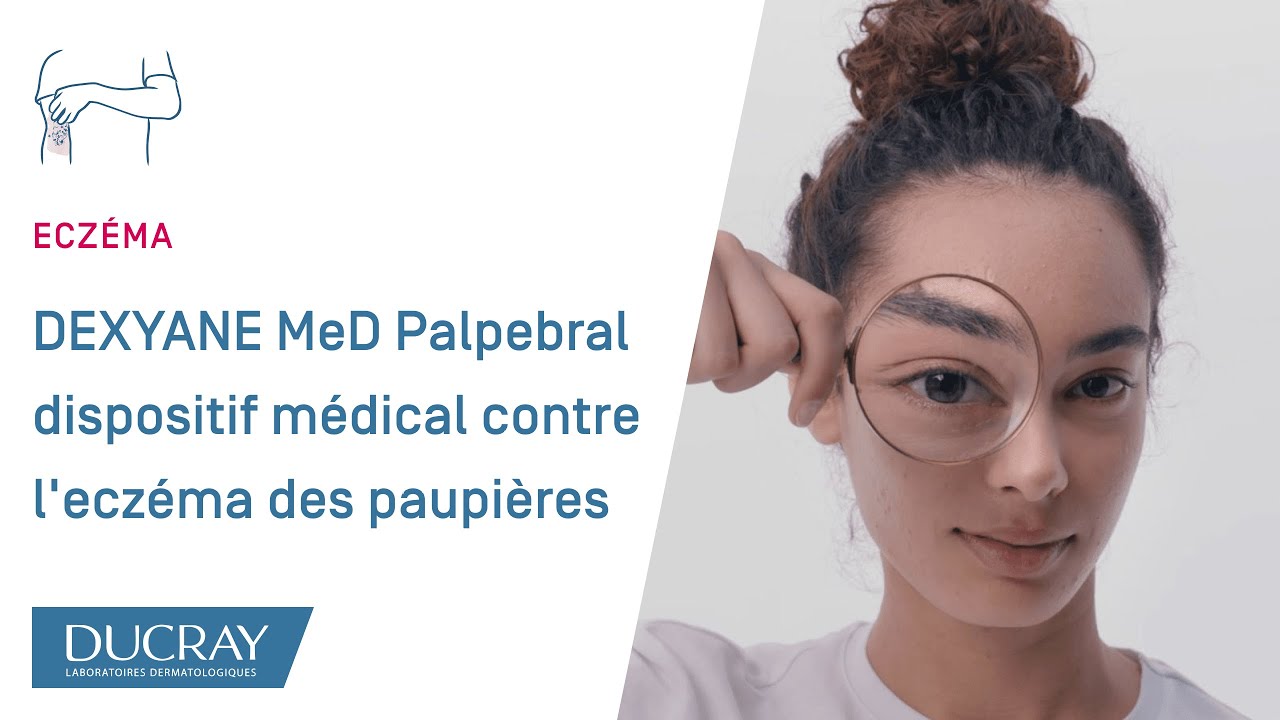

DEXYANE MeD
Palpebral
Medical device Treats eczema lesions - Decongests - Soothes - Soothes itchiness
A medical device that treats atopic or contact eczema on the eyelids.
-
Treats and limits the recurrence of eczema lesions.
-
Treats and limits the recurrence of eczema lesions. Tested under dermatological control.
Usable by Infants - Children - Family - Adults
Age From 3 month(s)
Suitable Eyelids
Skin type Eyelid eczema
Need Anti-eczema
Made in France
DEXYANE MED Palpebral is a medical device* for treating localised atopic and/or contact eczema on the eyelids.
Its formula, specially adapted to respect the delicate skin of the eyelids, acts as a semi-occlusive surface film on top of the skin, helping to repair the skin barrier.
It instantly relieves and decongest, soothes itching and pain, reduces redness and irritation.
DEXYANE MED Palpebral restores the altered skin barrier and corrects dryness.
It can be used as a stand alone treatment, in combination with, or as a follow-up to topical corticosteroids.
Benefit
DEXYANE MED Palpébral relieves inflammatory eczema lesions on the eyelids.
Benefits
• SOOTHES itching
• RELIEVES immediately and decongests
• LIMITS the recurrence of eczema lesions

Product scent
Fragrance-free
*DEXYANE MED Palpebral is a medical device indicated for the treatment for eyelid, atopic or contact eczema. These eczemas are characterized by an altered skin barrier with a high risk of reaction (dryness, irritations, itching) to allergens and irritant agents.
Read carefully the instructions for use before utilisation. Ask your pharmacist for advice. Conditions of availability and instructions for use may vary per country.
CE 0459. Manufacturer: PIERRE FABRE MEDICAMENT, Les Cauquillous, 81500 LAVAUR, FRANCE
*DEXYANE MED Palpebral is a medical device, a regulated health product which carries, in accordance with this regulation, the CE mark. Carefully read the instruction leaflet provided. Do not use if pregnant or breastfeeding. Avoid direct contact with the eyes. Age 3 months and up. Manufacturer : Pierre Fabre Medicament.
The Green Impact Index is a tool displaying the environmental and societal impact of cosmetics, dietary supplements and wellness and family health products, based on the methodology of the AFNOR Spec 2215. Developed thanks to the contribution of 22 companies, associations and federations, it assesses your products on more than 50 criteria for ever greater transparency!

Environmental impact

Formula
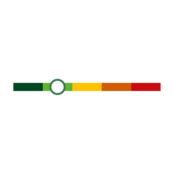
Biodegradable formula*
85.0% natural origin ingredients
*According to a OECD 301 test or Biodegradability index method

Packaging

Not recyclable packaging

Manufacturing
Made and packaged in a factory certified for the environment***
***according to ISO 14001 and/or 50001 standards

Transportation
Societal impact

Societal impact
Product manufactured and packaged in a factory meeting French social standards
Ducray is a brand of the Pierre Fabre Group, certified at the highest Exemplary level of AFNOR Certification’s Committed to CSR and Responsibility Europe labels, thus consolidating a long-standing commitment to contributing to sustainable development.