
Seborrheic dermatitis and daily life
- SUMMARY
- Seborrheic dermatitis
Seborrheic dermatitis and diet
- What is seborrheic dermatitis?
- Seborrheic dermatitis on the torso
- Psoriasis or seborrheic dermatitis?
- Eczema or seborrheic dermatitis?
- Infant seborrheic dermatitis
- Seborrheic dermatitis on the face: causes and treatment
- Seborrheic dermatitis of the scalp: causes and treatments
- Seborrheic dermatitis: scalp and hair loss

Seborrheic dermatitis and diet
Updated on , approved by our DUCRAY medical experts.
Seborrheic dermatitis is a common skin condition, characterised by red, scaly patches on various parts of the body.
The exact causes of this disease are numerous, and we already know that lifestyle (such as regular smoking or alcohol consumption) can influence the onset of the condition.
What about diet? This article takes a look at the latest developments in this area.
Adopting healthy eating habits
A balanced diet has been proven to help combat seborrheic dermatitis. In particular, it can prevent symptoms from getting worse (1-2). Many patients who changed their diet reported an improvement in their condition (1-2).
But what do we mean by ‘suitable diet’? What’s important to know about seborrheic dermatitis and which foods to avoid? For the moment, our knowledge is based on observations.
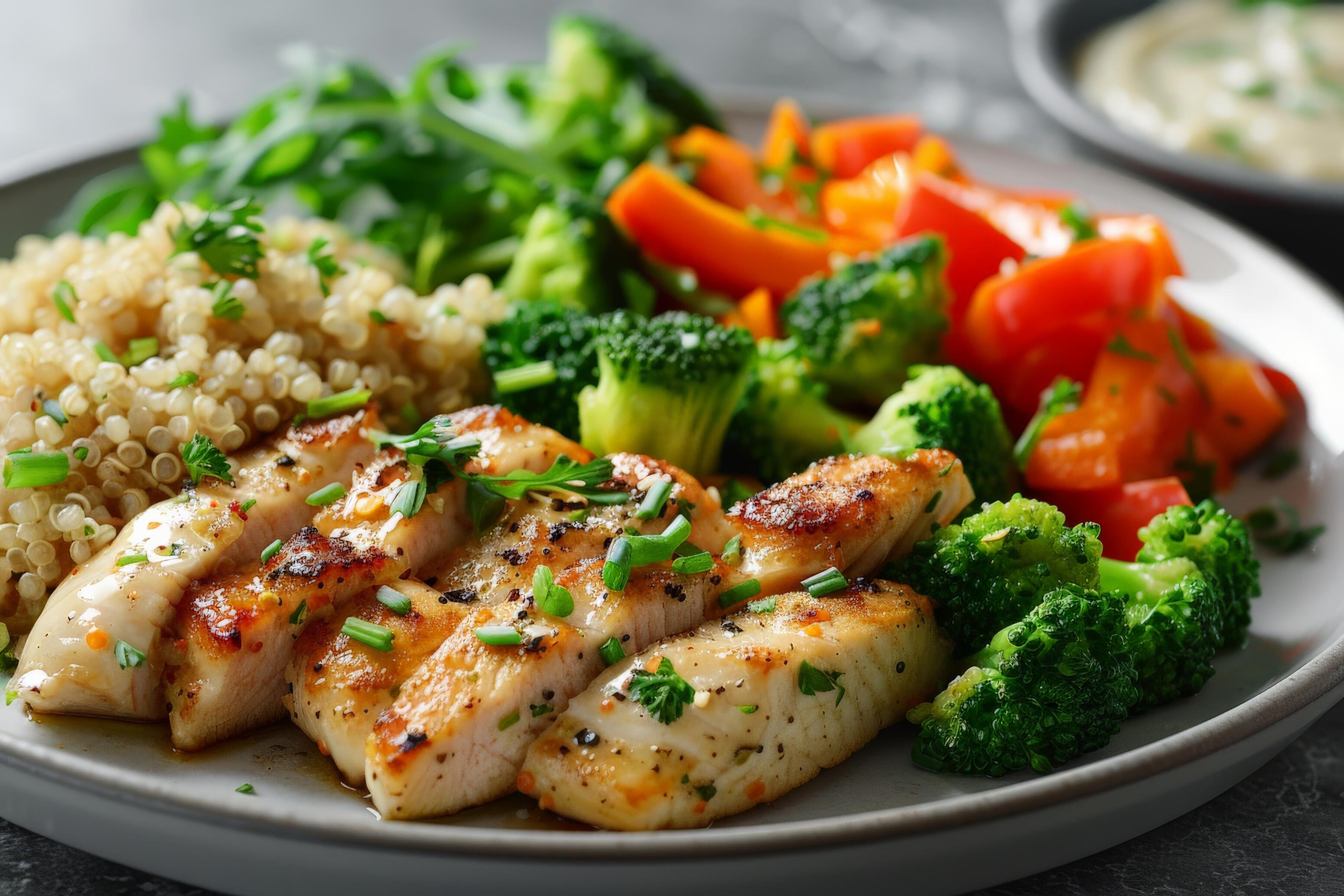
Fruits, including citrus fruits, and vegetables are among the foods that can play a positive role in improving the symptoms of seborrheic dermatitis (1).
People who regularly eat these foods seem to be less affected by seborrheic dermatitis. These foods, rich in vitamins and flavonoids (plant compounds with anti-inflammatory and antioxidant properties), may help reduce the risk of flare-ups (3-4).
On the other hand, to avoid aggravation of seborrheic dermatitis, foods to avoid include white bread, grilled or fried foods and coffee. In general, a Western diet high in saturated fats and processed foods is often associated with a more severe form of this condition (3-4).
However, before recommending dietary alterations, with foods to be avoided, as a treatment for seborrheic dermatitis, further research is needed to confirm these observations. Experts recommend keeping a food diary, noting down everything you eat. This helps to identify any links between foods and symptoms. It’s also advisable to consult a nutritionist for personalised advice.
In addition, research continues to explore the links between diet, intestinal health and dermatological conditions. Inflammatory skin conditions such as seborrheic dermatitis and potential links to the liver ire also a subject of research.
Whatever the case, a balanced diet remains essential for health in order to provide the necessary vitamins that are essential for the general functioning of the body:
- vitamin A, found in cod liver oil, liver, offal, butter and egg yolk.
- vitamin D3, mainly found in cod liver, fish such as eel, trout, sardines, mackerel, herring, etc., and also in eggs.
- vitamin C, found in fruit (blackcurrants, kiwis, strawberries, citrus fruit, etc.) and vegetables (peppers, broccoli, cauliflower, etc.).
- vitamin E, found in wheat germ oil, almonds, hazelnuts and egg yolk.
- Omegas 3 and 6 are found in oily fish (sardines, mackerel, salmon, cod, herring, wild trout, anchovies), certain vegetable oils (linseed, camelina, hemp, walnut, rapeseed, olive, etc.) and also in chia seeds, linseed and walnuts.
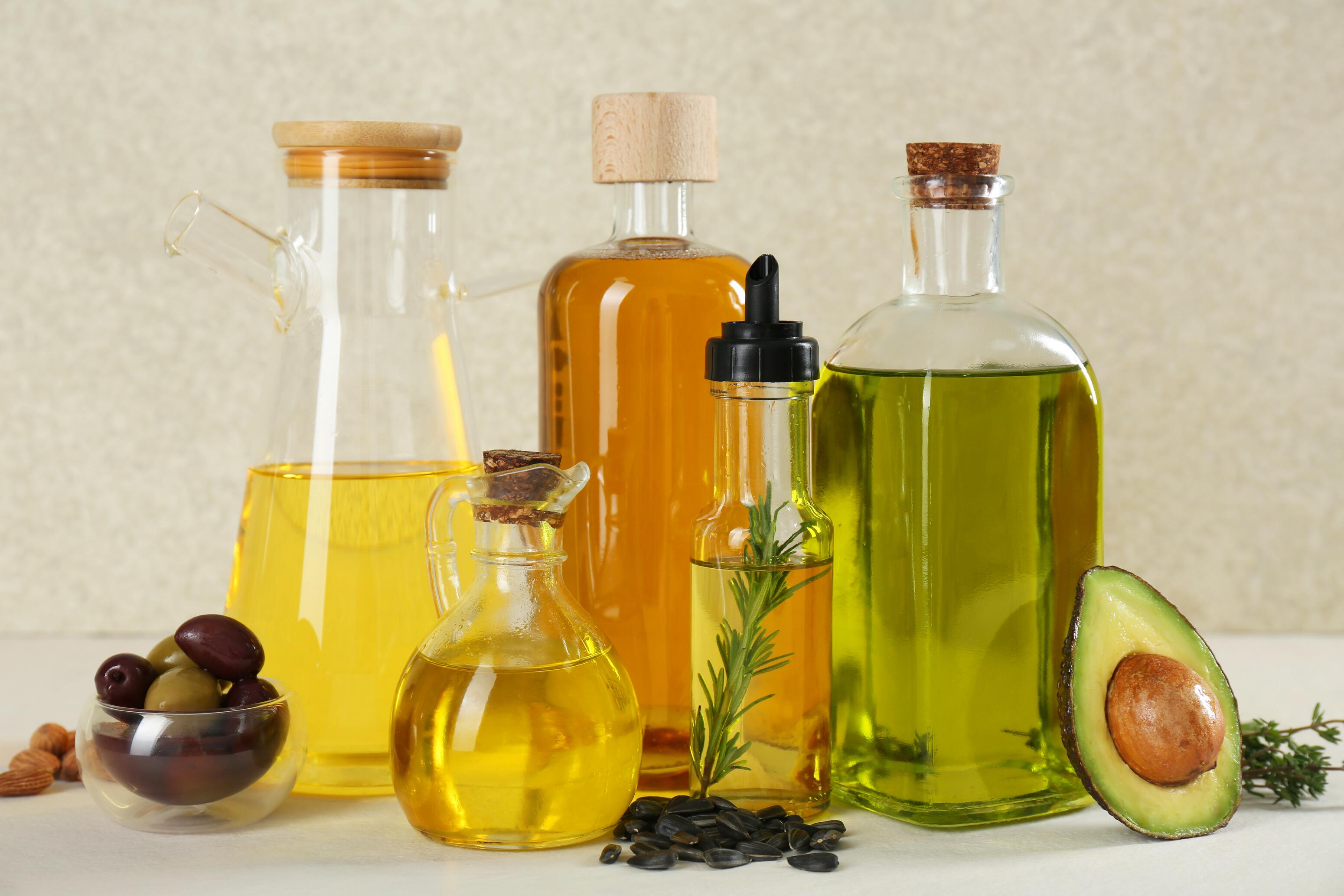
Conversely, it’s important to limit your consumption of certain foods, such as saturated fats (cream, etc.), quick sugars (sweets, cakes, etc.) and fried, grilled or smoked foods. As far as possible, opt for home-made dishes rather than ready-made meals, which often contain large amounts of salt and/or sugar, as well as all kinds of additives.
Food, sleep, cosmetics...
As well as diet, which can have an influence on skin and seborrheic dermatitis, a healthy lifestyle in general is important and necessary for good skin health:
- Lack of sleep,
- the use of unsuitable cosmetics,
- and overexposure to UV rays
are all factors that can make the skin more fragile.
Exposure to toxic substances such as tobacco and alcohol, which are not recommended because of their tendency to cause flare-ups, is also prompting researchers to further explore the possible link between seborrheic dermatitis and the liver. If you feel strongly dependent on these substances, talk to your doctor, who will be able to help you.
Sources :
(1) Alshaebi M, Zahed L, Osaylan M, Sulaimani S, Albahlool A, Abduljabbar MH, Hariri J. Association Between Diet and Seborrheic Dermatitis: A Case-Control Study. Cureus. 2023 Nov 14;15(11):e48782. doi: 10.7759/cureus.48782. PMID: 38098901; PMCID: PMC10719884.
(2) Sarah B, Crystal H,. Possible Nutrient Mediators in Psoriasis and seborrheic dermatitis. World Review of Nutrition and Dietetics. (1988), 22, pp. 153–164.
(3) Gürtler A, Laurenz S. The impact of clinical nutrition on inflammatory skin diseases. J Dtsch Dermatol Ges. 2022 Feb;20(2):185-202. doi: 10.1111/ddg.14683. Epub 2022 Jan 27. PMID: 35088524.
(4) Sanders MGH, Pardo LM, Ginger RS, Kiefte-de Jong JC, Nijsten T. Association between Diet and Seborrheic Dermatitis: A Cross-Sectional Study. J Invest Dermatol. 2019 Jan;139(1):108-114. doi: 10.1016/j.jid.2018.07.027. Epub 2018 Aug 18. PMID: 30130619.
Read also
- Discover Essential oils and seborrheic dermatitis: are they effective?
Seborrheic dermatitis and daily life
Essential oils and seborrheic dermatitis: are they effective?
- Discover Seborrheic dermatitis: environmental factors, pollution, sun, etc.
Seborrheic dermatitis and daily life
Seborrheic dermatitis: environmental factors, pollution, sun, etc.
- Discover Is seborrheic dermatitis contagious?
Seborrheic dermatitis and daily life
Is seborrheic dermatitis contagious?
Our targeted solutions for seborrheic dermatitis
Discover our complete range
- Anti-dandruff treatment shampoo
KELUAL DS ORIGINAL
Anti-dandruff treatment shampooEliminates severe dandruff - Eliminates dandruff after the first application* - Soothes itchiness* - Limits recurrences - Anti-scales cleansing gel
KELUAL DS
Anti-scales cleansing gelPurifies - Removes flakes - Soothes - Reduces redness


Our skincare routines
Irritated skin with redness and flakiness