
- SUMMARY
- Eczema
Body eczema: hands, feet, arms, back, face, etc.
- What causes eczema?
- Contact eczema due to cosmetics
- Clothing contact eczema
- Contact eczema due to cleaning products
- Contact eczema due to medication and topical treatments
- Contact eczema due to nickel and chromium
- Perspiration-induced eczema
- Hereditary eczema
- Stress-induced eczema
- Allergy-induced eczema
- Living with eczema day to day
- Eczema: how can flare-ups be avoided?
- Eczema: can it be cured?
- Which detergent should eczema patients use?
- What are the habits to avoid when you have eczema?
- Swimming pool, swimming when you have eczema?
- What soap should be used for eczema?
- Eczema: what foods should you eat?
- Eczema: What daily reflexes should you adopt?
- Eczema: how to treat itching
- Eczema cream, ointment: what should you use?
- Body eczema: hands, feet, arms, back, face, etc.
- Leg eczema or varicose eczema
- Eczema on the back
- Foot eczema
- Eczema around the mouth
- Eczema in the ears
- Facial eczema
- Eczema on the stomach and belly button
- Arm eczema (elbows, armpits, forearms)
- Hand and finger eczema (chronic hand eczema)
- Eczema of the eyelids, eyes or palpebral eczema
- Scalp eczema
- Eczema on the neck and nape of the neck
- What is infantile eczema?
- What soap should be used for babies with eczema?
- How should you treat baby’s and infant’s eczema?
- Eczema in babies: what habits should you adopt?
- When should you consult a physician about your baby's eczema?
- Eczema in babies and children: the areas most often affected
- Cortisone cream to relieve eczema?

Body eczema: hands, feet, arms, back, face, etc.
Updated on , approved by our DUCRAY medical experts.
Eczema can affect any part of the body. Depending on the age or type of eczema, the distribution of eczema plaques on the body varies. Body eczema is generally less visible than facial eczema, but it is just as troublesome in everyday life.
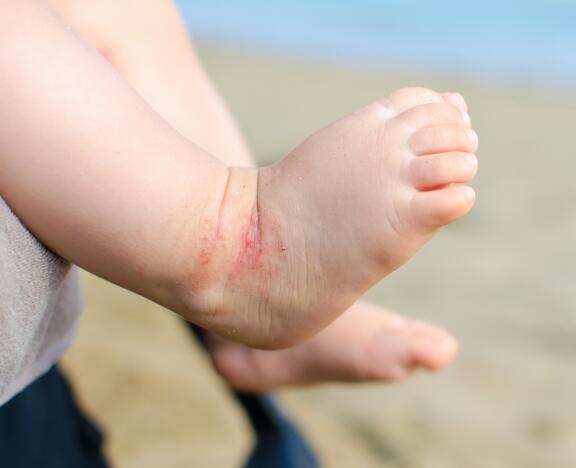
Foot eczema
Body eczema can first of all affect the feet. Foot eczema can take the form of dyshidrotic eczema, with the appearance of small blisters or bubbles. In some cases, it can be a contact eczema related to shoes. Foot eczema can become a daily discomfort when walking and putting on shoes.
Leg eczema (varicose eczema)
Leg eczema is a somewhat unusual variant of body eczema. It is varicose eczema, also called stasis dermatitis. This eczema is related to circulatory disorders and appears first on the lower legs. The itching is intense and affects quality of life. The treatment of varicose eczema involves the management of venous insufficiency.

Stomach and belly button eczema
Eczema can affect the whole stomach, especially in babies, or smaller areas, such as the belly button in the case of contact eczema and nickel allergy. Eczema on the stomach is hidden by clothing, but that doesn't prevent scratching!
Back eczema
Back eczema is an uncommon form of body eczema. Back eczema is not visible except in certain situations such as sports, at the seaside, at the pool or during moments of intimacy. The back is more difficult to access for both scratching and treatment.

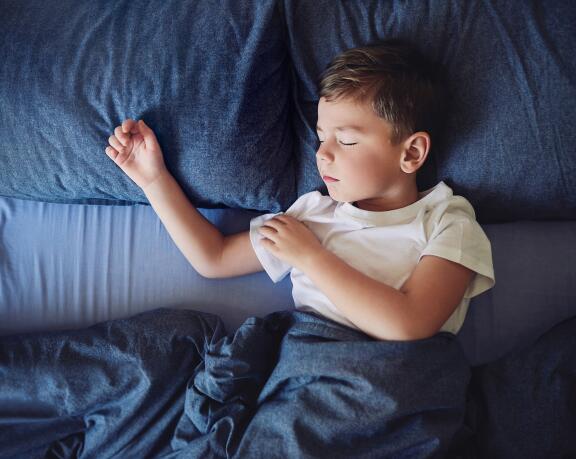
Arm eczema
Eczema on the body regularly affects the arms. The arms are affected by eczema in different ways depending on age. Wrists and elbow folds are regularly affected in older children and adults, while the outer sides of the arms and shoulders are more likely to be affected in babies.
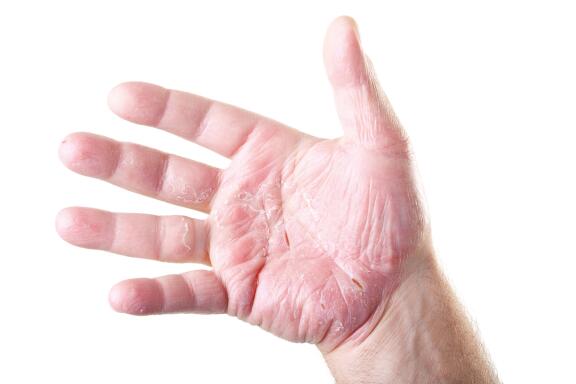
Hand eczema (chronic hand eczema)
Hand eczema is a form of eczema on the body that generates a lot of pain and suffering. The hands are the basis of most of our movements and actions. They are particularly visible to others. The hands are subject to many irritating or allergenic factors that maintain the eczema plaques on the skin.
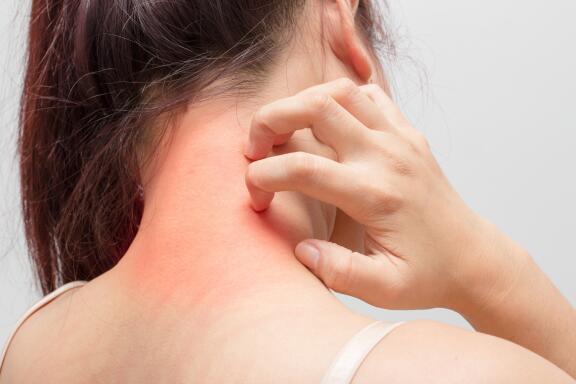
Eczema on the neck and nape of the neck
The neck is an area of skin very regularly affected by eczema, atopic eczema but also contact eczema, for example when wearing fancy jewelry.
Facial eczema
The face is not spared from eczema. The cheeks of a baby with eczema become covered with very red plaques. Older children and teenagers have eczema on their eyelids, neck and lips. Adults sometimes have a generalized form on the head and neck. Eczema on the facial skin makes the disease very noticeable and embarrassing on a daily basis.
Eczema on the ears
Ear eczema affects different parts of the ear, mainly the lobe, the retroauricular fold and the ear canal. Ear eczema causes intense itching.
Eye eczema (palpebral eczema)
In case of palpebral eczema, the eyelids may swell and become very red in turn. The person can't help but rub their eyes, which only accentuates the eczema on the skin of the eyelids. Eyelid eczema is particularly noticeable and can be a daily discomfort.
Eczema around the mouth
In case of eczema around the mouth, the skin becomes red, covered with small pimples, causing tingling and burning sensations. Lip eczema is also possible. In all cases, the discomfort is often significant, especially during basic activities such as talking, eating or drinking, and in relationships with others.
Scalp eczema
Scalp eczema can be associated with body eczema or facial eczema. The itching is often very intense. The crusts that form are quickly destroyed by scratching and form a kind of dandruff. Some lesions are exposed and start bleeding.
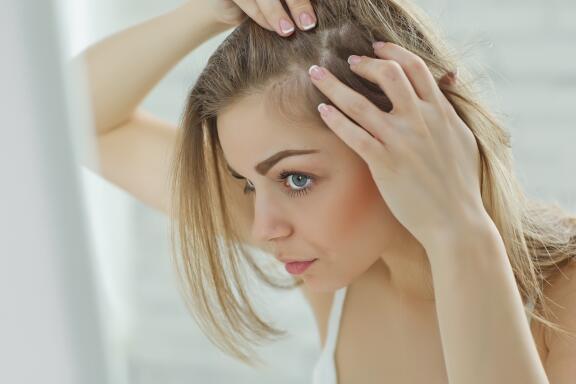
Scalp eczema
Scalp eczema can be associated with body eczema or facial eczema. The itching is often very intense. The crusts that form are quickly destroyed by scratching and form a kind of dandruff. Some lesions are exposed and start bleeding.
Our care routines
Skin prone to atopic eczema, contact eczema, chronic eczema and/or, eyelid eczema
- Discover Chronic atopy on hands
Chronic atopy on hands
- Discover Face and body contact atopic-prone skin
Face and body contact atopic-prone skin
- Discover Atopic-prone skin on the face and body
Atopic-prone skin on the face and body
- Discover Anti-scratching body
Anti-scratching body
Dermatological expertise
To better understand your skin and hair, discover our exclusive content and innovative care products designed to improve your quality of life..