
What is seborrheic dermatitis?
- SUMMARY
- Seborrheic dermatitis
Seborrheic dermatitis on the face: symptoms, causes and treatment
- What is seborrheic dermatitis?
- Seborrheic dermatitis on the torso
- Psoriasis or seborrheic dermatitis?
- Infant seborrheic dermatitis
- Eczema or seborrheic dermatitis?
- Seborrheic dermatitis: scalp and hair loss
- Seborrheic dermatitis of the scalp: causes and treatments
- Seborrheic dermatitis on the face: causes and treatment

Seborrheic dermatitis on the face: symptoms, causes and treatment
Updated on , approved by our DUCRAY medical experts.
Seborrheic dermatitis on the face is the second most common location for this condition to appear, after the scalp. It’s the most obvious form of the condition, and in over 65% of cases of seborrheic dermatitis, the face is affected(1).
What are the characteristic symptoms of facial dermatitis? What areas of the face can be affected? Have the causes been identified to date? What treatments are available to remedy this? Here's what you need to know about seborrheic dermatitis on the face.
Understanding seborrheic dermatitis of the face
Generally speaking, facial dermatitis occurs when the skin is irritated and redness appears: this is a sign of an inflammation.
Seborrheic dermatitis of the face is a skin condition characterised by an inflammation of the skin, flaky skin (dead skin peeling off) and very often by an itching sensation. This inflammatory phenomenon is the result of a combination of several factors, such as genetic and environmental factors (stress, hormonal changes, fatigue, cold, heat, perspiration, diet, alcohol, tobacco,etc.), although it is not yet fully understood how these factors cause inflammation.
To treat these symptoms effectively, it is important to target these triggers. A comprehensive approach, taking all these factors into account, is essential for managing seborrheic dermatitis of the face.
How does facial seborrheic dermatitis manifest itself?
Many people confuse seborrheic dermatitis with simple skin sensitivity. However, seborrheic dermatitis of the face is a very specific condition.
It manifests itself through oily and sometimes crusty scales (small patches) on the face. Unlike scales on the scalp, itching is often less severe. The areas of the face affected can vary from person to person and over time.
Areas affected by facial seborrheic dermatitis
Symptoms can appear in different areas of the face, including:
- The hairline
- The eyebrows
- The edge of the eyelid
- The nasolabial folds (creases from the wing of the nose to the corner of the mouth)
- The wings of the nose
- Behind the ears (retroauricular region)
- The external auditory canal
- The beard and moustache may also be affected.
They are often symmetrical. In the most severe cases of seborrheic dermatitis of the face, lesions can become red, inflamed and covered with oily or crusty scales.
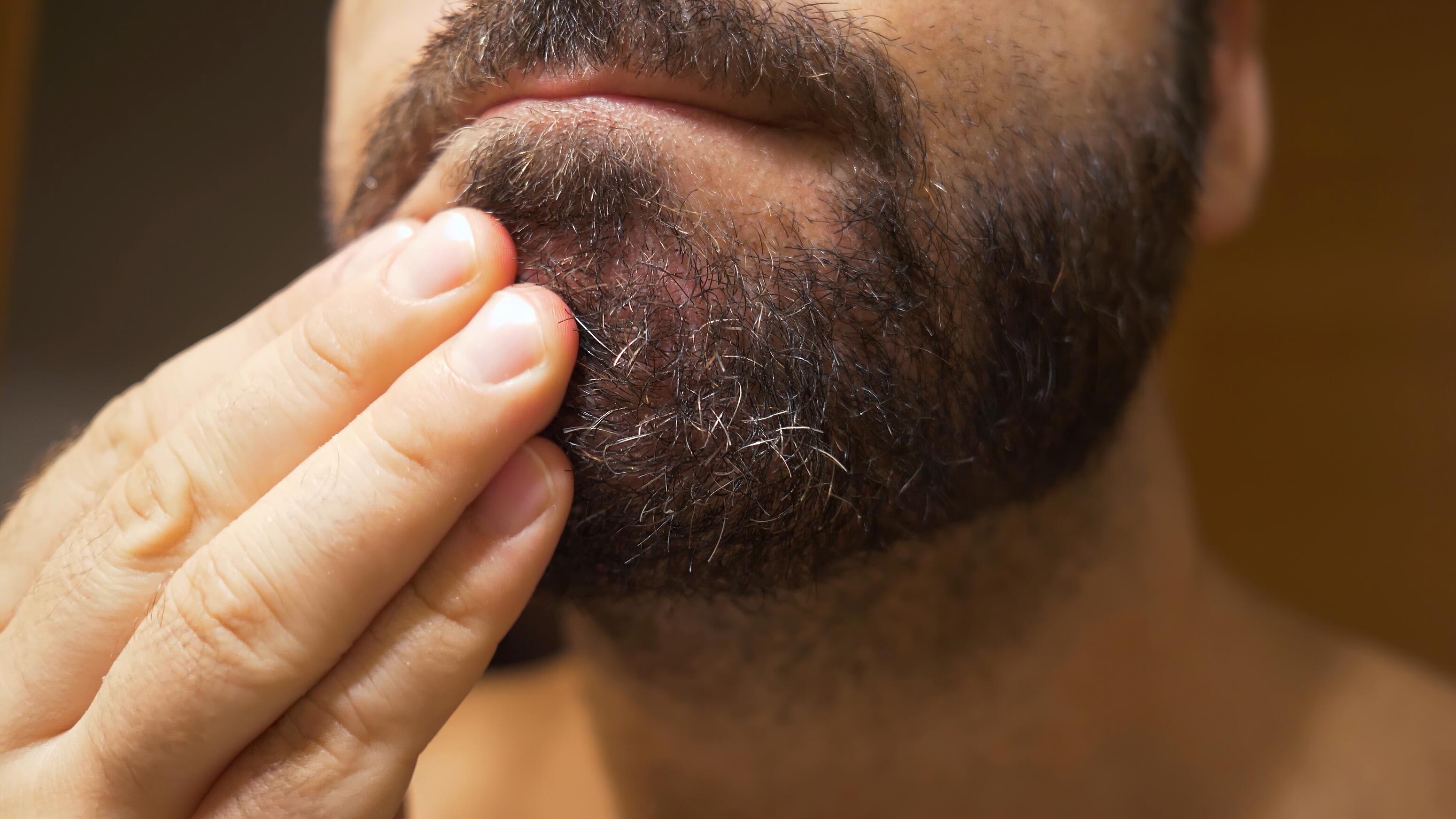
Seborrheic dermatitis under the beard
The beard area, like the moustache, is particularly rich in sebaceous glands, which can promote the appearance of seborrheic dermatitis beneath the beard.
One of the characteristic signs is the presence of dandruff in the beard. To facilitate treatment, it’s advisable to trim the beard rather than shave it, in order to avoid irritating the skin further. It's also essential to adopt a specifically adapted skincare routine to ensure your beard continues to look its best.
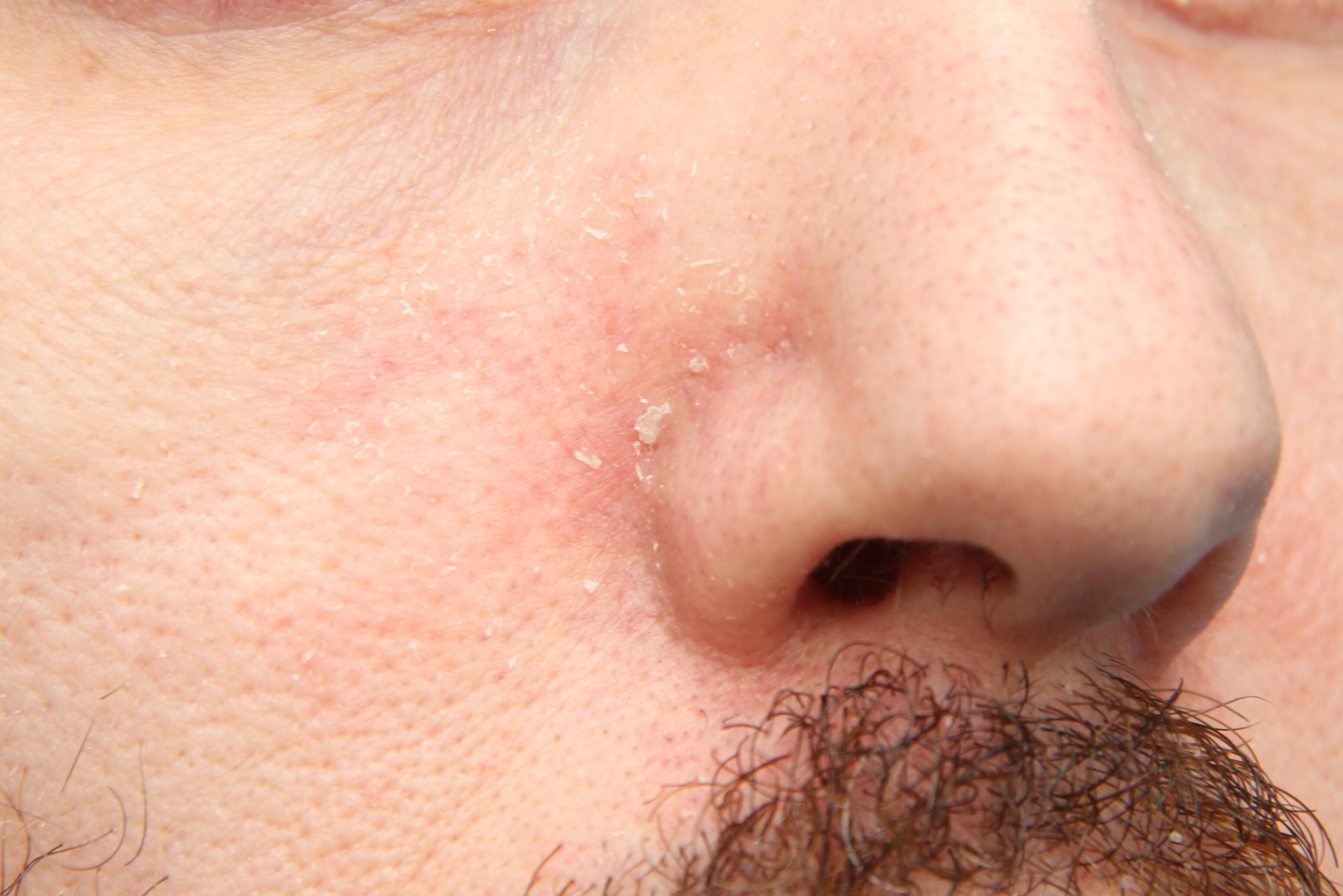
Seborrheic dermatitis of the nose
Seborrheic dermatitis of the nose manifests itself through persistent red patches. Oily scales may appear on these patches, initially looking like peeling skin.
Itching is frequent, and it is common for people to touch this area frequently, which can become a real tic.
Seborrheic dermatitis of the nose occurs on the wings of the nose, under the nose, and in the fold between the nose and the upper part of the lip.
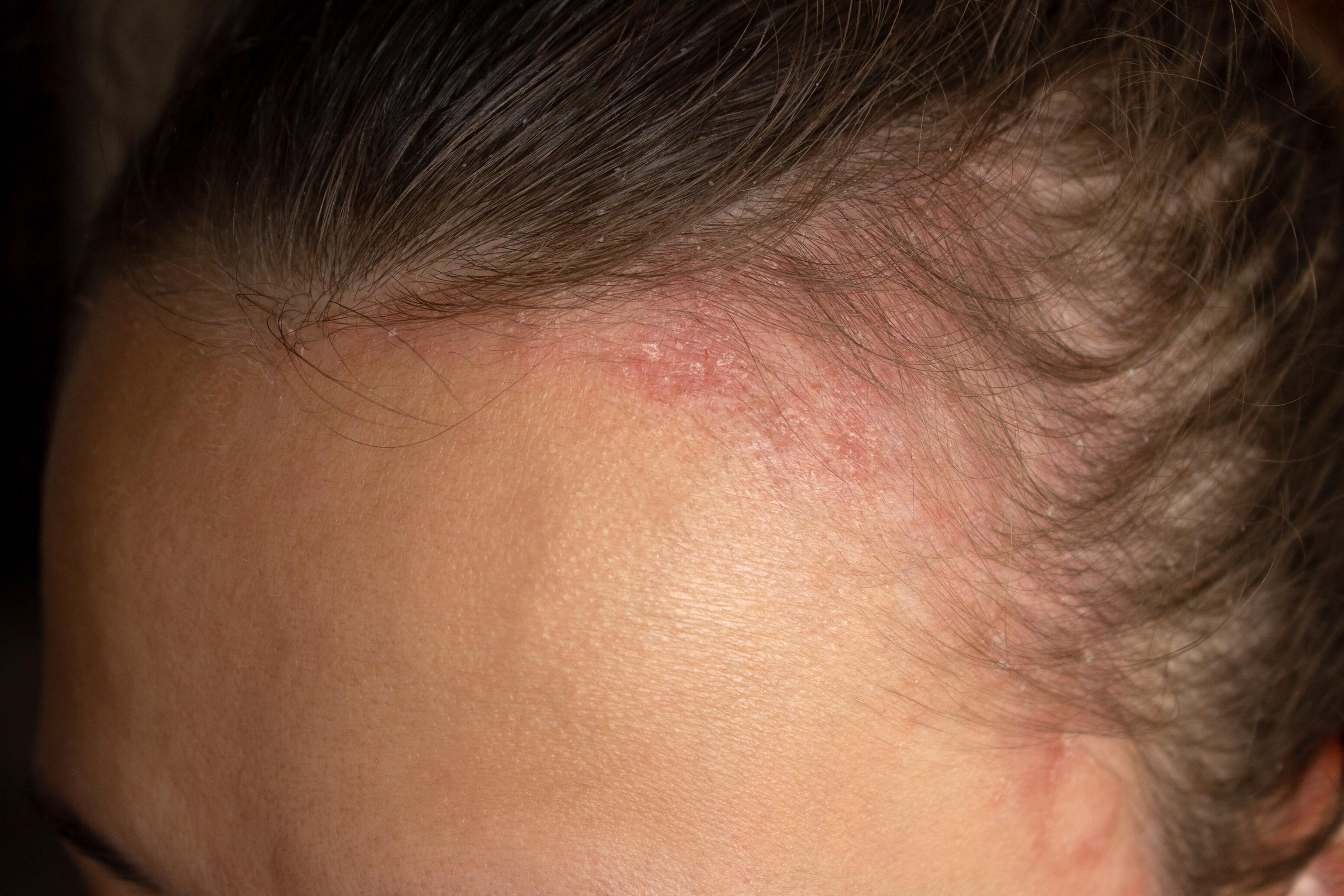
Seborrheic dermatitis of the forehead
Seborrheic dermatitis of the forehead often appears at the same time as seborrheic dermatitis of the eyebrows. Sometimes it can even extend to the hairline.
Although it may be tempting, it is important to not scratch the scales with your nails or rub too hard with a glove or scrub.
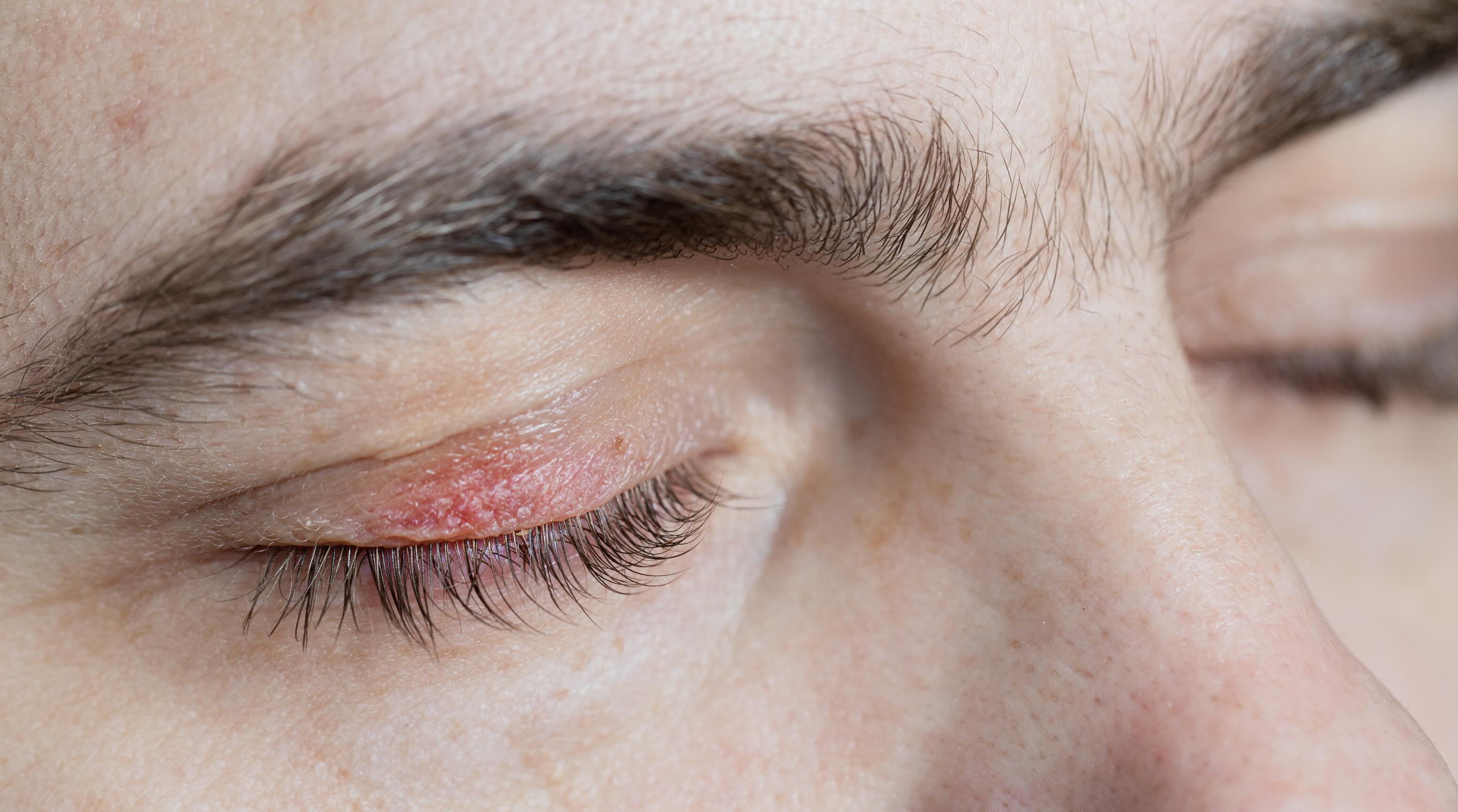
Seborrheic dermatitis on the eyelid
Seborrheic dermatitis of the eyelids manifests itself through small crusts, resembling yellowish scales, which form between the eyelashes and at their base, on the bare part of the eyelids.
In the case of seborrheic dermatitis of the eyelids, it is recommended to gently cleanse the eyelids at least twice a day with a saline solution. This helps to soften and remove the scales. Remember to wash your hands thoroughly beforehand.
Seborrheic dermatitis of the eyebrows
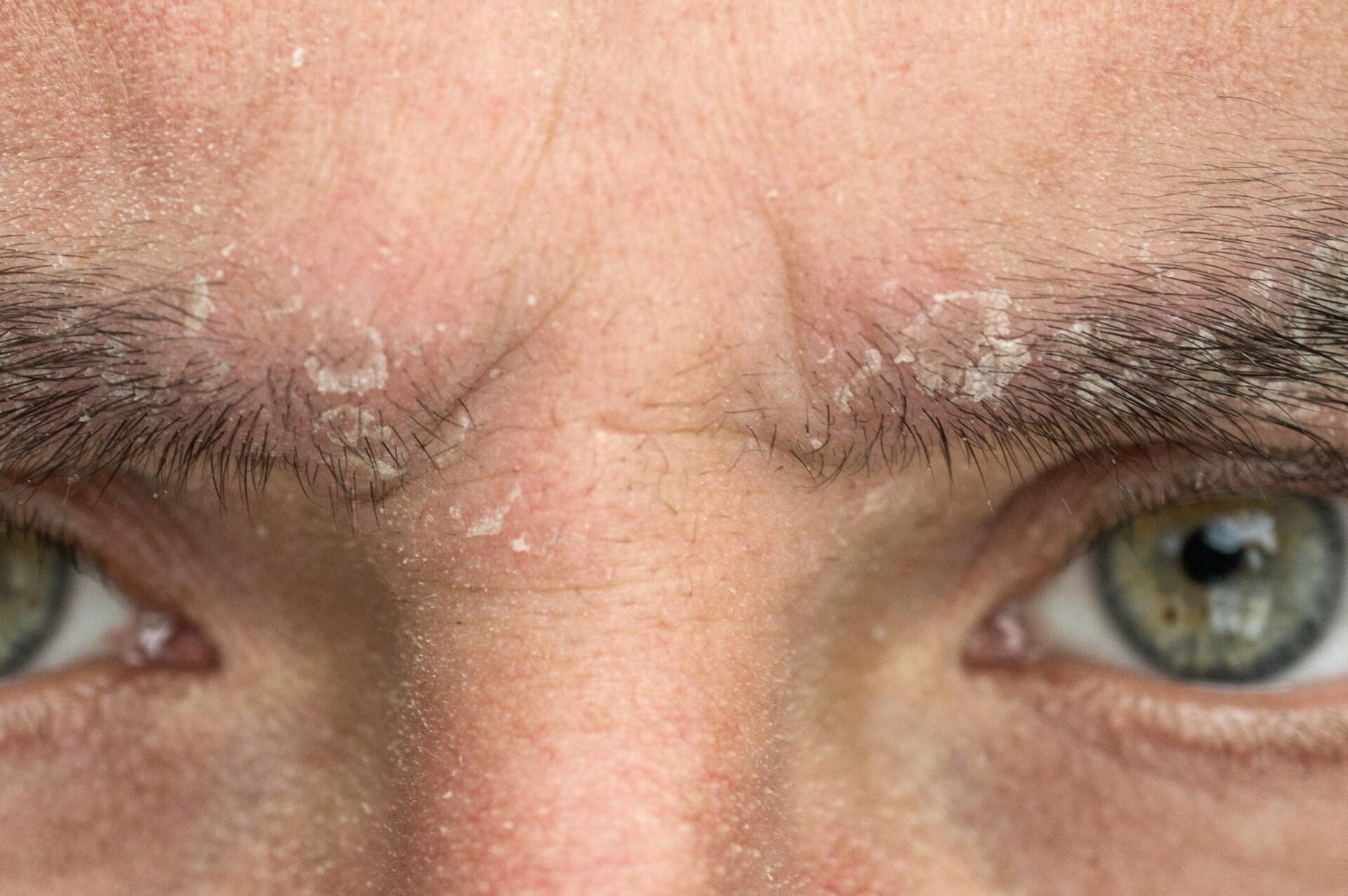
In the case of seborrheic dermatitis of the eyebrows, the skin appears irritated and with redness. Dandruff-like scales are visible in the eyebrows through the hairs, and feel greasy to the touch.
When seborrheic dermatitis of the eyebrows is severe, hair loss can occur.
In some cases, seborrheic dermatitis can develop between the eyebrows.
Risk factors
Here are some risk factors commonly associated with facial dermatitis:
- Environmental factors such as stress, fatigue and hormonal changes, which can influence the activity of the sebaceous glands, leadnig to an imbalance in the skin microbiome and the growth of the yeast Malassezia.
- Genetic factors: if members of your family have already had seborrheic dermatitis, you are more likely to develop it too.
- Certain medical conditions: the presence of other inflammatory skin conditions such as rosacea or eczema, chronic fatigue, immune deficiencies or Parkinson's disease can also increase the risk.
It’s important to consult a healthcare professional to assess your specific risk factors and obtain appropriate advice.
Treatments and care
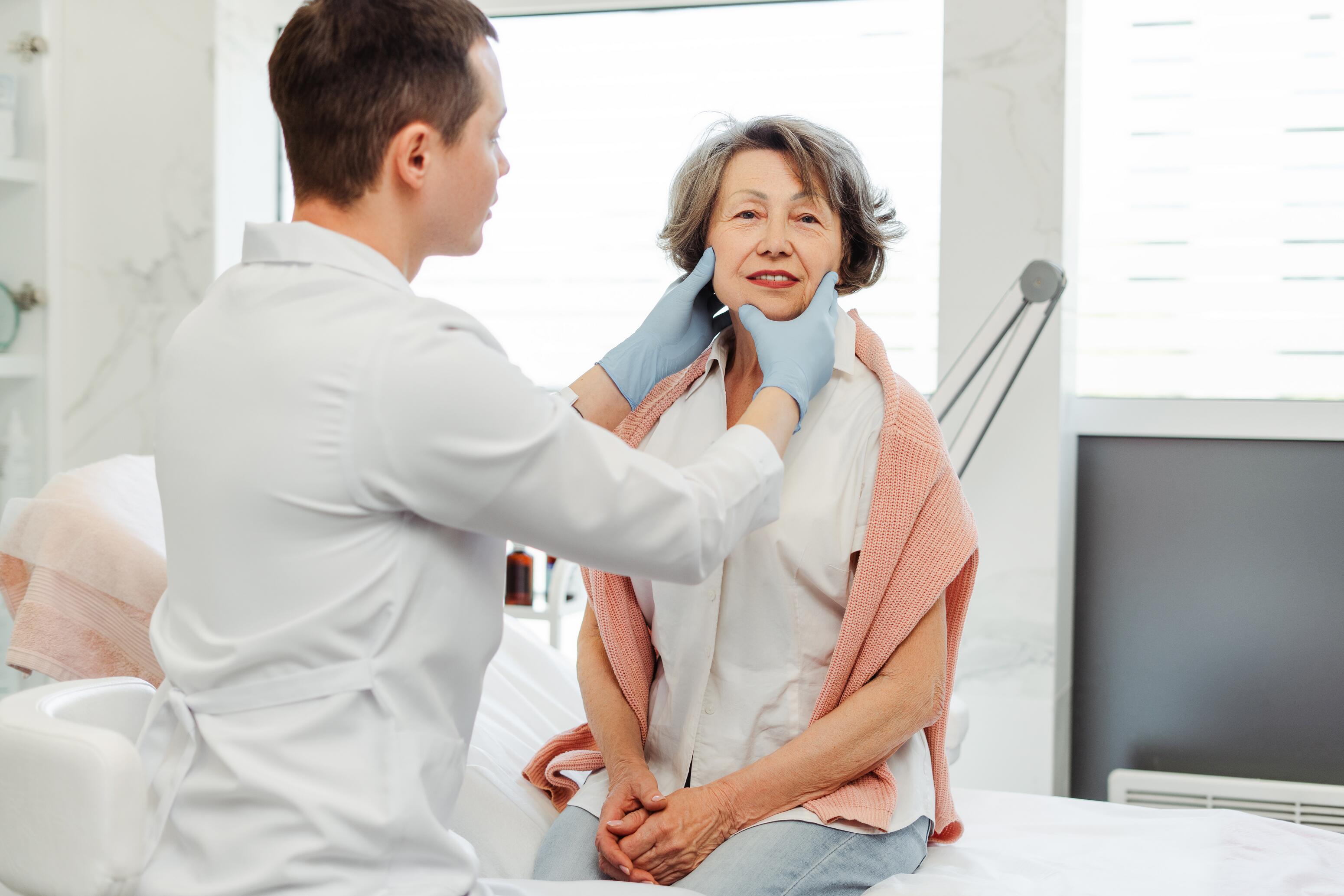
Seborrheic dermatitis of the face is a chronic condition that recurs frequently. There is no cure, but we can act on the symptoms to reduce redness, itching and flaking, as well as provide lasting relief. If you suffer from facial dermatitis, the first thing your doctor will advise you do is to use an appropriate dermo-cosmetic hygiene product, known as " anti-flaking ", which will most be a gel with specific active ingredients that and act upon and regulate Malassezia yeast.
On top of this, it is recommended to apply a soothing cream that’s specifically formulated to soothe irritated skin prone to facial dermatitis and prevent recurrences. These treatments are used in both the treatment and maintenance phases.
It is advisable to limit exposure to the sun while using this product and to always wear sun protection.
If necessary, your doctor may also prescribe antifungal and anti-inflammatory treatments, to be applied locally or taken orally, depending on the severity of the seborrheic dermatitis.
Source:
(1) Misery L. Dermatite séborrhéique. EMC - AKOS Traité de Médecine. (2011), pp. 1-5.
Read also
- Discover Seborrheic dermatitis: scalp and hair loss
What is seborrheic dermatitis?
Seborrheic dermatitis: scalp and hair loss
- Discover Infant seborrheic dermatitis
What is seborrheic dermatitis?
Infant seborrheic dermatitis
- Discover Eczema or seborrheic dermatitis?
What is seborrheic dermatitis?
Eczema or seborrheic dermatitis?
- Discover Seborrheic dermatitis on the torso
What is seborrheic dermatitis?
Seborrheic dermatitis on the torso
- Discover Psoriasis or seborrheic dermatitis?
What is seborrheic dermatitis?
Psoriasis or seborrheic dermatitis?
Our targeted solutions for seborrheic dermatitis
Discover our complete range
- Anti-dandruff treatment shampoo
KELUAL DS ORIGINAL
Anti-dandruff treatment shampooEliminates severe dandruff - Eliminates dandruff after the first application* - Soothes itchiness* - Limits recurrences - Anti-scales cleansing gel
KELUAL DS
Anti-scales cleansing gelPurifies - Removes flakes - Soothes - Reduces redness


Our skincare routines
Irritated skin with redness and flakiness