
What are the different types of acne?
- SUMMARY
- Acne
Adult acne: causes, symptoms and treatment
- Acne symptoms
- Acne on the back
- Acne or rosacea?
- Acne spots: what are they?
- Blackheads: what are they?
- Facial acne: how to get rid of it
- Spots on the buttocks (acne): how to get rid of them
- Acne spots on the lips: causes and solutions
- Whitehead
- Acne on the forehead
- Acne scars
- Acne on black skin: how to get rid of it
- Acne on the chin
- What can you do about acne on a daily basis?
- What soap should you use for acne?
- What kind of make-up should you use for acne?
- Acne and the sun
- Peels for acne
- Diet and acne
- Zinc to fight acne
- Acne and sport
- Taking the pill to tackle acne
- Masks to tackle acne
- The role of essential oils in treating acne
- Homeopathic remedies for acne

Adult acne: causes, symptoms and treatment
Updated on , approved by our DUCRAY medical experts.
Did you think you had left acne behind after adolescence? But now new spots are appearing, causing frustration and confusion.
Why does acne persist or only appear in adulthood? Is it common to experience this problem after the age of 25? What is the difference between adult acne and juvenile acne?
Causes, symptoms and treatments for adult acne: find out everything you need to know!
The causes of adult acne
Stress, hormones, diet... There are many causes of adult acne(1): it is what is known as a multifactorial condition.
Genetic factors
If your parents had acne, your chances of developing it, even as an adult, increase.
Why? Because genetics directly influence sebum production, sensitivity to inflammation, and the structure of hair follicles.
However, the good news is that your environment and lifestyle choices, including healthy habits, can help offset this genetic predisposition and limit adult acne flare-ups.
Hormonal variations
Adult acne is strongly influenced by hormones, particularly androgens, male hormones that are also present in women. When these androgens are too active, they boost sebum production, clog pores and promote the appearance of acne spots.
Hormonal fluctuations, like during the premenstrual period, pregnancy, a change in contraception or polycystic ovary syndrome (PCOS), therefore play a major role in adult acne in women.
If your acne appears suddenly or is resistant to treatment, a hormone test may shed light on the situation.
Insulin
Insulin is a hormone that your body produces to convert the sugar you eat into energy. So far, so good. But if you consume too much fast-releasing sugar, your body produces too much of it: numerous studies show that foods rich in fast-releasing sugars (pastries, soft drinks, ultra-processed foods) cause the body to produce more insulin and IGF-1. However, these two molecules trigger an overproduction of sebum and promote excessive multiplication of skin cells (keratinocytes).
Dairy products, such as milk and cheese, can also influence the effect of insulin(2).
A diet rich in small oily fish (such as mackerel and sardines), green vegetables and whole foods (wholemeal bread, brown rice, etc.) can calm these mechanisms by reducing blood sugar spikes(3).
In short, eating a varied and balanced diet can also help treat adult acne!
Clogged pores
When pores are blocked, this creates an environment conducive to the proliferation of bacteria such as Cutibacterium acnes.
Creams that are too oily, comedogenic foundations or oily sun creams can clog pores and aggravate adult acne. Opt for light, non-comedogenic textures that target blemishes.
Stress
Stress is one of the most underestimated triggers of adult acne: it increases cortisol, a hormone that disrupts hormonal balance and boosts sebum production. Worse still, stress often leads to picking at acne spots, which promotes inflammation and scarring.
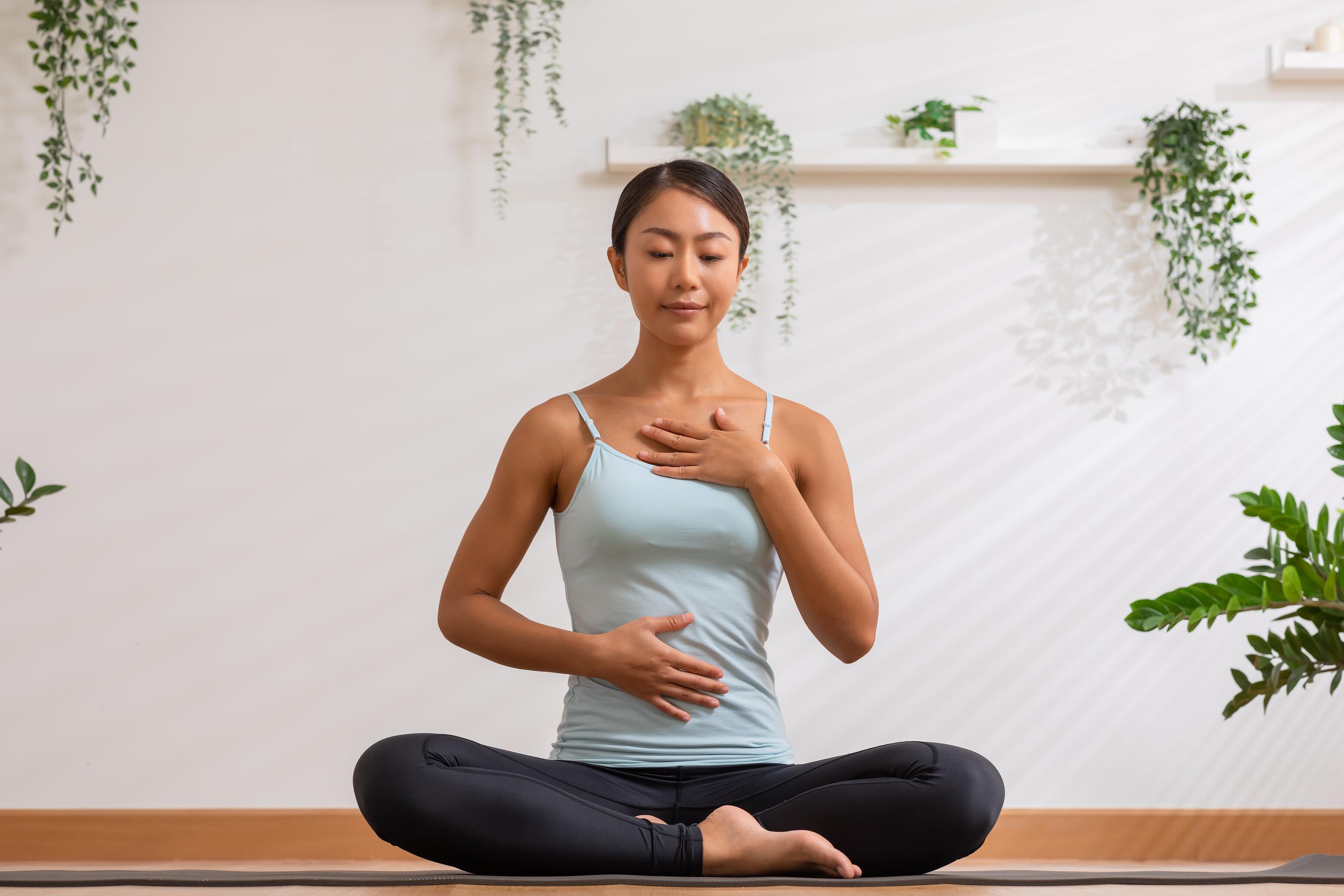
Learning to manage stress more effectively (through breathing, yoga, meditation or physical activity) can therefore have a significant positive impact!
Hygiene
Excessive cleansing or using unsuitable products can irritate adult acne. Conversely, poor hygiene allows impurities to build up, which can lead to blocked pores.
Excessive sweating (hyperhidrosis) can also clog pores, especially when combined with high temperatures or prolonged mask wearing (the infamous "maskne").
Using non-comedogenic products and thoroughly cleansing your skin after sweating is essential to minimise these effects.
Medicines
Certain medications may sometimes be to blame: if you notice an outbreak of adult acne after starting a new treatment, talk to your doctor.
The different types of acne in adults
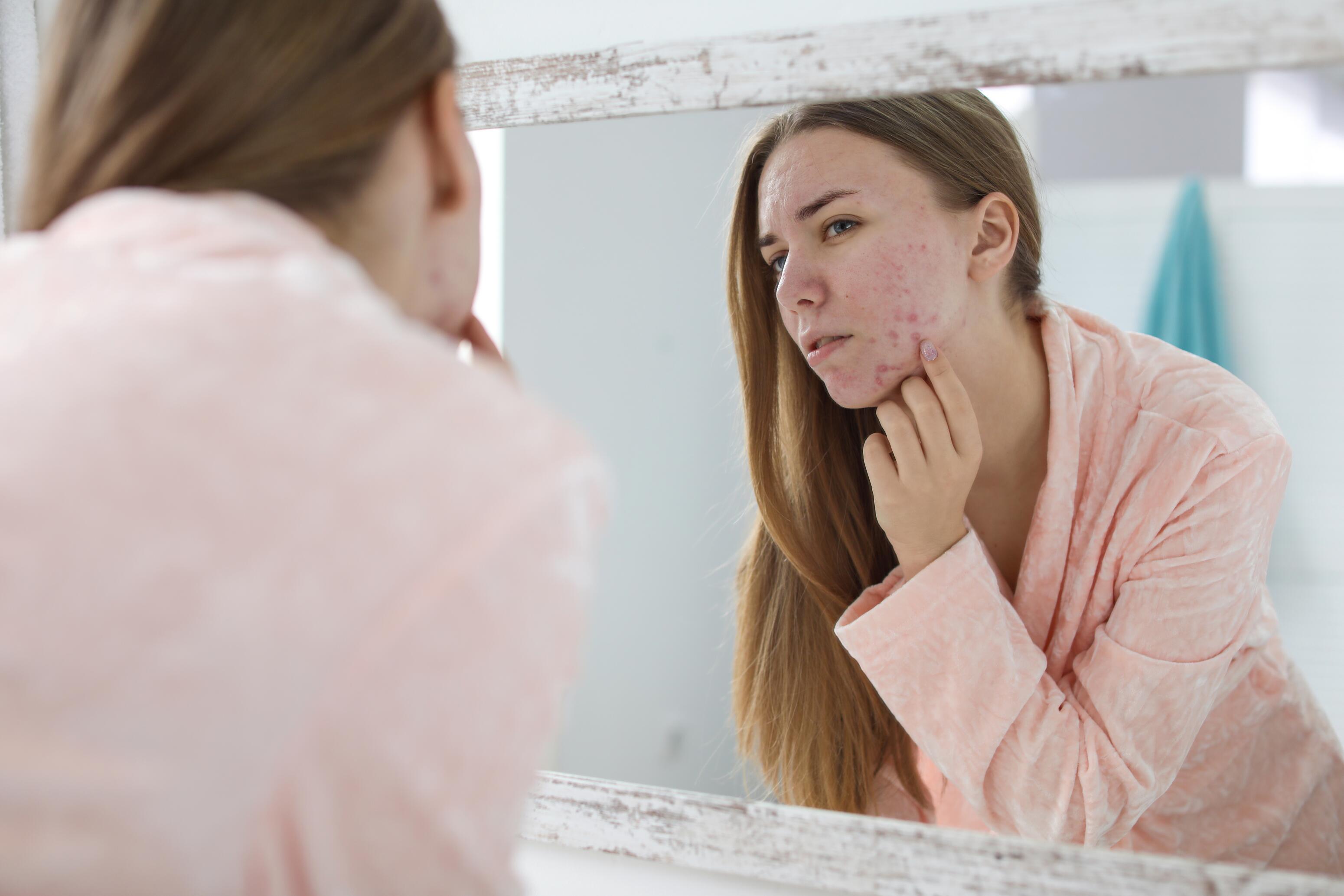
Adult acne is a reality for many, and it comes in several forms: acne on the face in women, back acne is more common in men, etc.
Not to be confused with fungal acne, which is caused by a proliferation of yeast (Malassezia) on the skin. One clue that can help identify fungal acne is that fungal acne spots are often uniform (small and red) and itchy.
More specifically, there are three types of adult acne(4):
Persistent acne from adolescence to adulthood
This type of adult acne affects people whose spots never completely disappeared after adolescence. It usually begins between the ages of 10 and 19 and continues beyond the age of 25.
Often linked to excess sebum production and chronic skin inflammation, persistent adult acne manifests itself in the form of papules, pustules and blackheads.
This type of adult acne is the most common (up to 73%(4) of adult acne cases).
Late adult acne that appears after the age of 25
Late-onset adult acne appears in adults with no history of acne. It is often triggered by environmental factors such as stress, diet or the use of unsuitable cosmetics.
This type of adult acne accounts for approximately 9%(4) of cases.
Adult acne linked to hormonal fluctuations
Adult hormonal acne, also known as acne in adult women, usually appears on the lower part of the face (chin and jawline).
This often occurs before menstruation, when stopping or changing hormonal contraception, and also in cases of disorders such as polycystic ovary syndrome (PCOS).
Treatment for adult acne
Adult acne can recur regularly if its underlying causes are not treated, such as hormonal imbalances, stress, or lifestyle habits. Before prescribing treatment for your adult acne, the dermatologist will therefore assess(4):
- your profile: age, gender, a possible pregnancy, current treatments.
- your habits: the cosmetics you use, your diet, whether you smoke, your sleep quality, your stress levels, your physical activity.
- hormonal signs: an assessment of hormonal imbalance in women, for example.
Topical products: gels, creams, and lotions
Local treatments are often the first line of treatment for adult acne. They include active ingredients like:
- Benzoyl peroxide: effective against the bacteria that cause acne.
- Retinoids: for gentle exfoliation and to unclog pores.
- Salicylic acid or glycolic acid: keratolytic agents.
- Azelaic acid: reduces inflammation and pigmentation spots. It is also a safe option during pregnancy.
Over-the-counter acne medications
The following types of treatments for adult acne are available in pharmacies without a prescription:
- Zinc-based creams to soothe inflammation and reduce redness.
- Regulating serums specifically developed for adult skin with blemishes.
- Dietary supplements containing zinc or plant extracts such as burdock.
Advanced medical treatments: chemical peels, laser therapies, etc.
Dermatologists also have more specific treatments for moderate to severe adult acne:
- Chemical peels: these treatments use acids to exfoliate the surface layers of the skin. They reduce blemishes, minor scars and post-acne marks.
- Laser therapies: these techniques target inflammation, reduce sebum production and promote skin regeneration.
- Microdermabrasion: an effective method for smoothing the skin and reducing superficial scars.
Preventing acne in adulthood
With the right habits and suitable products, it is possible to limit recurrence and calm inflammation. Here are some easy tips to follow.
Skin cleansing routine
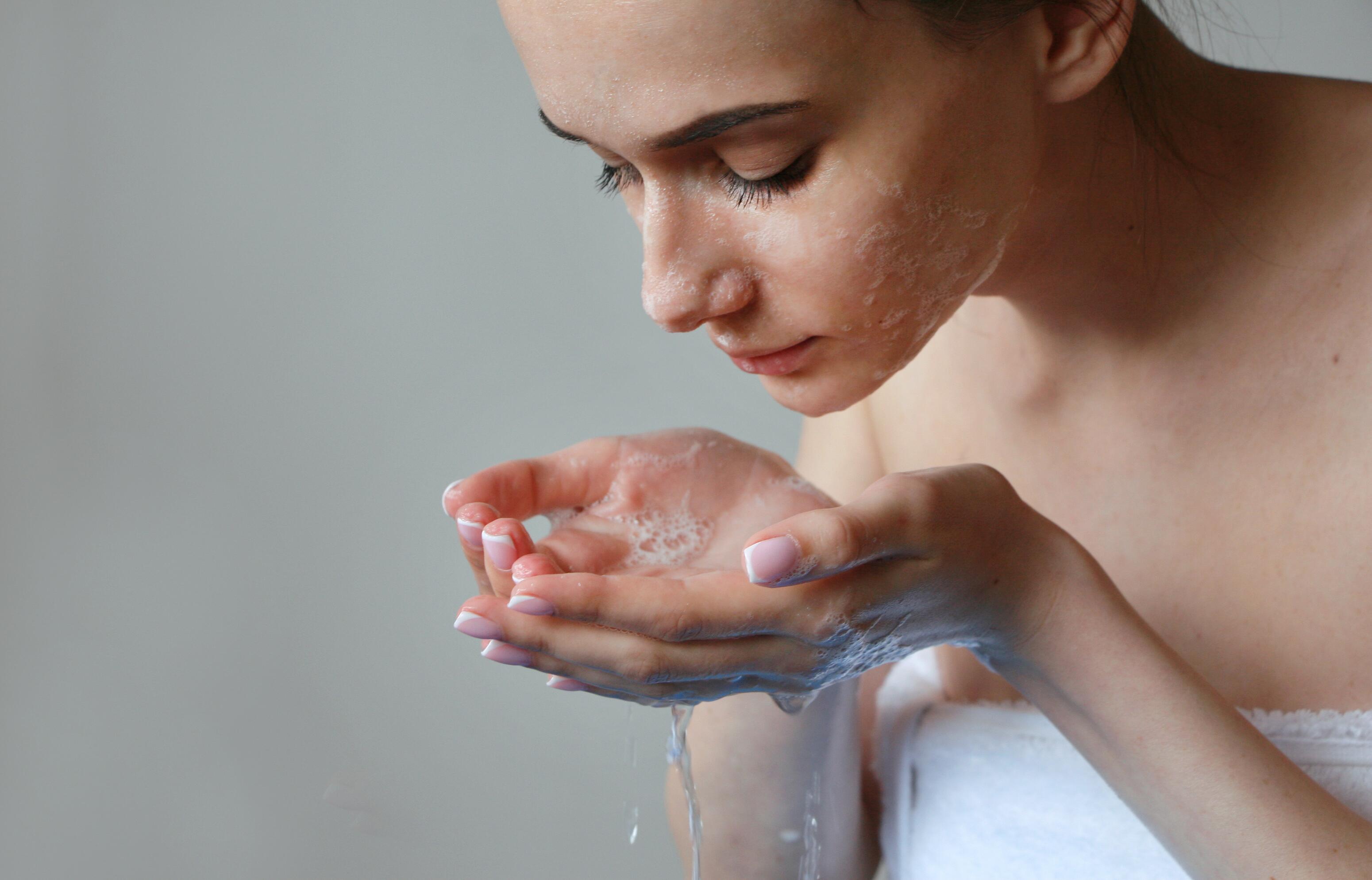
Cleansing is the basis of any effective routine, particularly to prevent the build-up of impurities and sebum.
- Gently cleanse by choosing an anti-blemish cleansing gel for a dual cleansing and purifying action.
- Remove your make-up every evening: use non-comedogenic products specially formulated for adult skin with imperfections so as not to clog pores.
For adult acne, natural treatments such as tea tree hydrosols can be used after cleansing for their soothing and purifying properties.
Moisturisation and choosing non-comedogenic products
Even if you have adult acne, your skin still needs to be moisturised!
- Choose suitable moisturisers: opt for serum textures suitable for adult skin with blemishes or light, non-comedogenic creams.
- Moisturise regularly: this is particularly important if you use topical treatments such as retinoids, which can dry out the skin.
Sun protection
Daily sun protection is essential, especially if you are using acne treatments. Opt for fluid, anti-blemish textures with SPF 50+ protection.
When it comes to acne, misconceptions can be hard to shake... Let's take a closer look!
Our responses to common misconceptions about adult acne
Not necessarily, it all depends on the ingredients!
Some anti-ageing products, such as those containing retinol or retinoids, may even be beneficial.
Retinol, for example, is known for its exfoliating and anti-inflammatory properties: it helps unclog pores while stimulating collagen production, making it an ally against wrinkles AND acne.
No, chocolate itself is not directly responsible for acne.
However, very sweet chocolates or those containing a lot of saturated fat (such as milk chocolate) could aggravate inflammation, especially if your overall diet is unbalanced.
The culprit: fast-releasing sugars, and more generally ultra-processed foods, which increase insulin production and stimulate the sebaceous glands.
On the other hand, dark chocolate (minimum 70% cocoa), consumed in moderation, contains antioxidants that are beneficial for the skin!
So, there's no need to ban chocolate, but go for the healthier options and make sure you eat a balanced diet(5).
No, and it could even make the situation worse!
Exfoliants, when used too often, irritate the skin and can lead to an overproduction of sebum or even aggravate inflammation.
Limit yourself to a gentle exfoliation once or twice a week, and always moisturise your skin afterwards.
Sources :
(1) Brǎnișteanu, D., Toader, M., Porumb, E., Șerban, I., Pînzariu, A., Brănişteanu, C., Vicovan, A., Dimitriu, A., Fartusnic, I., Boda, D., Brănișteanu, D., Brihan, I., & Nicolescu, A. (2021). Adult female acne: Clinical and therapeutic particularities (Review).
(2) Penso, L., Touvier, M., Deschasaux, M., De Edelenyi, S., Hercberg, S., Ezzedine, K., & Sbidian, E. (2020). Association Between Adult Acne and Dietary Behaviors: Findings From the NutriNet-Santé Prospective Cohort Study.. JAMA dermatology.
(3) Baldwin, H., & Tan, J. (2020). Effects of Diet on Acne and Its Response to Treatment. American Journal of Clinical Dermatology, 22, 55 - 65.
(4) Kutlu Ö, Karadağ AS, Wollina U. Adult acne versus adolescent acne: a narrative review with a focus on epidemiology to treatment. An Bras Dermatol. 2023 Jan-Feb;98(1):75-83. doi: 10.1016/j.abd.2022.01.006. Epub 2022 Oct 14. PMID: 36253244; PMCID: PMC9837660.
(5) Conforti, C., Agozzino, M., Emendato, G., Fai, A., Fichera, F., Marangi, G., Neagu, N., Pellacani, G., Persichetti, P., Segreto, F., Zalaudek, I., & Dianzani, C. (2021). Acne and diet: a review. International Journal of Dermatology, 61.
Read also
- Discover Acne in women
What are the different types of acne?
Acne in women
- Discover Cystic acne
What are the different types of acne?
Cystic acne
- Discover Acne fulminans
What are the different types of acne?
Acne fulminans
- Discover Neonatal acne
What are the different types of acne?
Neonatal acne
- Discover Retentional acne
What are the different types of acne?
Retentional acne
- Discover Inflammatory acne
What are the different types of acne?
Inflammatory acne
- Discover Acne in men
What are the different types of acne?
Acne in men
- Discover Juvenile acne
What are the different types of acne?
Juvenile acne
Our targeted solutions for acne
Discover our complete range
- Anti-blemishes cleansing gel face and body
KERACNYL
Anti-blemishes cleansing gel face and bodyCleanses - Helps to get rid of imperfections - Anti-Blemish Cream
KERACNYL PP+
Anti-Blemish CreamAvoids skin marks - Helps to get rid of imperfections - Compensates for the effects of drying treatments


Our skincare routines
Oily or acne-prone skin
- Discover Anti-blemish face care summer routine for adult skin
Anti-blemish face care summer routine for adult skin
Do you have blemish-prone skin as an adult?