
Acne symptoms
- SUMMARY
- Acne
How to remove acne spots on the face
- What can you do about acne on a daily basis?
- Acne and the sun
- What soap should you use for acne?
- Acne and sport
- What kind of make-up should you use for acne?
- Diet and acne
- Peels for acne
- Zinc to fight acne
- Masks to tackle acne
- Taking the pill to tackle acne
- The role of essential oils in treating acne
- Homeopathic remedies for acne
- Acne symptoms
- Acne on the back
- Acne spots: what are they?
- Acne or rosacea?
- Blackheads: what are they?
- Facial acne: how to get rid of it
- Spots on the buttocks (acne): how to get rid of them
- Acne on the forehead
- Acne spots on the lips: causes and solutions
- Whitehead
- Acne scars
- Acne on black skin: how to get rid of it
- Acne on the chin

How to remove acne spots on the face
Updated on , approved by our DUCRAY medical experts.
Acne is a very common skin condition, affecting 9.4% of the global population(1).
It affects adolescents, but also many adults. And when acne appears on the face or neck, it is difficult to ignore: excess sebum, blackheads, red spots... All these visible signs can become a real complex and cause embarrassment in everyday life.
So why do these imperfections appear on the face? Why do some people mainly have acne on their cheeks, nose or neck? And how can you tell if it's acne or something else?
How does acne manifest itself on the face?
On the face, manifestations of acne vary greatly from one person to another depending on the type of acne and its severity.
Here are the main visible signs of acne on the face (cheeks, nose, neck)(2):
- Oily, shiny skin caused by excessive sebum production.
- Enlarged pores, giving the skin an uneven texture.
- Open comedones (blackheads) and closed comedones (whiteheads), the first visible lesions of acne.
- Red spots (papules) and pustules (filled with pus), which are inflammatory and sometimes painful. Teenagers and adults dread the appearance of these pustules on their faces, as these red spots, topped with a white tip, are particularly unsightly.
- In severe to very severe acne, there are cysts or even nodules on the face: these are inflammatory and painful spots measuring more than 5 mm, deep under the skin and likely to leave scars.
All parts of the face can be affected by acne, but some areas are more prone than others: the T-zone (forehead, nose, chin) is the main area affected, but acne can also appear on the cheeks, neck and around the mouth. Spots on the face for adults are often concentrated on the lower part of the face, especially in women.
The different parts of the face affected by acne
Acne does not manifest itself in the same way for everyone. Some people only have a few small blackheads on their nose, while others develop more pronounced inflammatory lesions on their cheeks or chin.
In fact, the distribution of spots on the face is not random: each area has its own specific characteristics and can be affected differently depending on hormonal and environmental factors, as well as the specific characteristics of each individual's skin. Some forms of acne are mild and superficial, while others are more severe and leave long-term marks on the skin.
Here is a close-up look at the areas of the face most affected by acne.
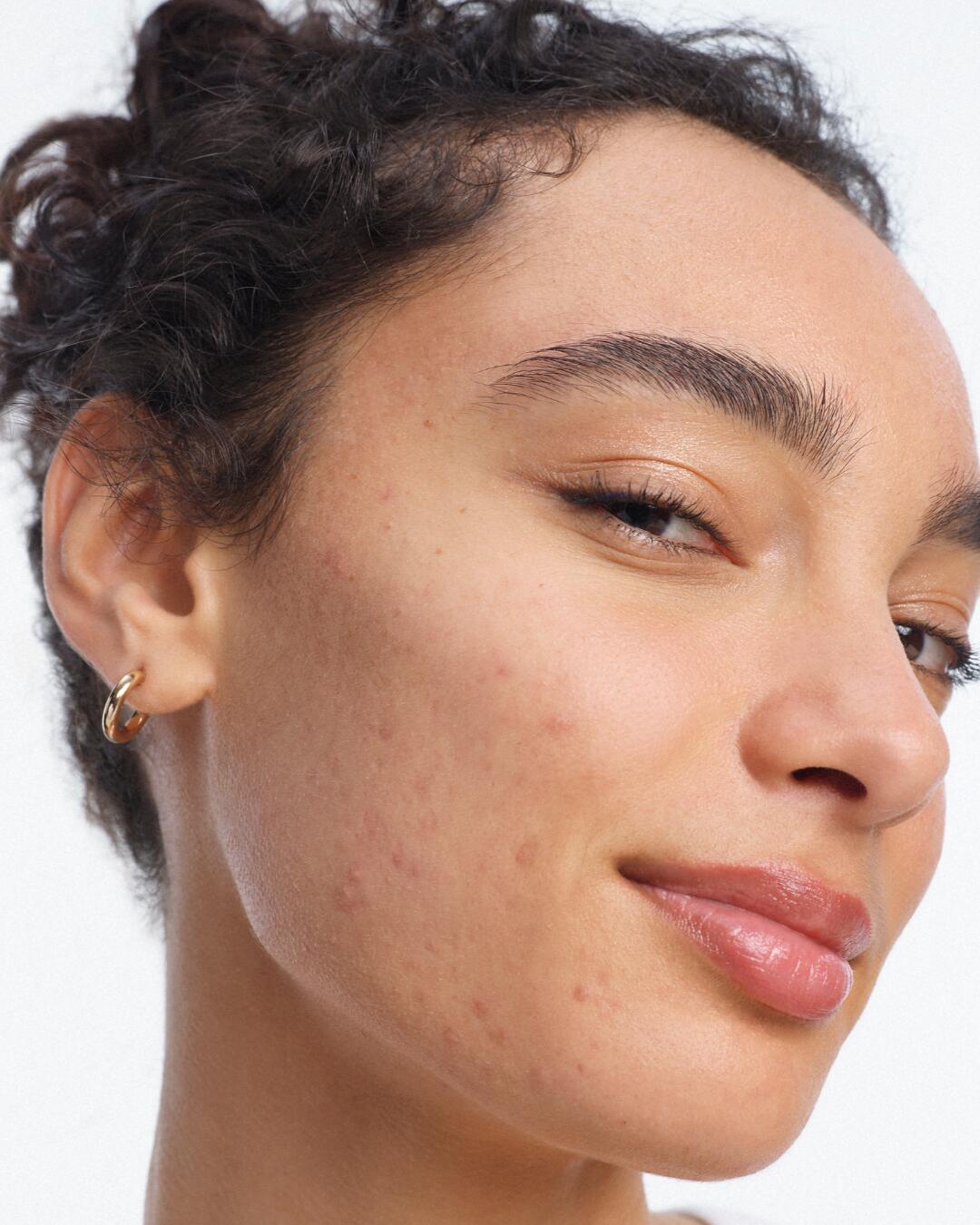
Acne on the cheeks
Acne on the cheeks is one of the most common forms of facial acne, affecting between 44% and 60% of those affected, according to studies(3-4).
Unlike the T-zone (forehead, nose, chin), where acne is often linked to excess sebum production, the cheeks are more prone to inflammatory lesions: red spots, painful pustules and, in more severe cases, deep nodules that can leave scars.
Acne on the cheeks also tends to persist into adulthood, particularly in women, where hormonal fluctuations play a major role in its onset and severity.
In addition to these internal factors, the cheeks are directly exposed to external aggressions, which can aggravate imperfections and slow down their resorption. Your face rubbing against your pillow, frequent use of your phone, pollution, or even prolonged mask wearing (which has caused so-called "maskne" acne in recent years(5)) are all factors that can promote inflammation.
Using unsuitable cosmetics can also clog pores and aggravate blemishes. If you have acne on your face, start by seeking advice from a healthcare professional to choose a skincare routine suitable for acne-prone skin.
Acne on the neck
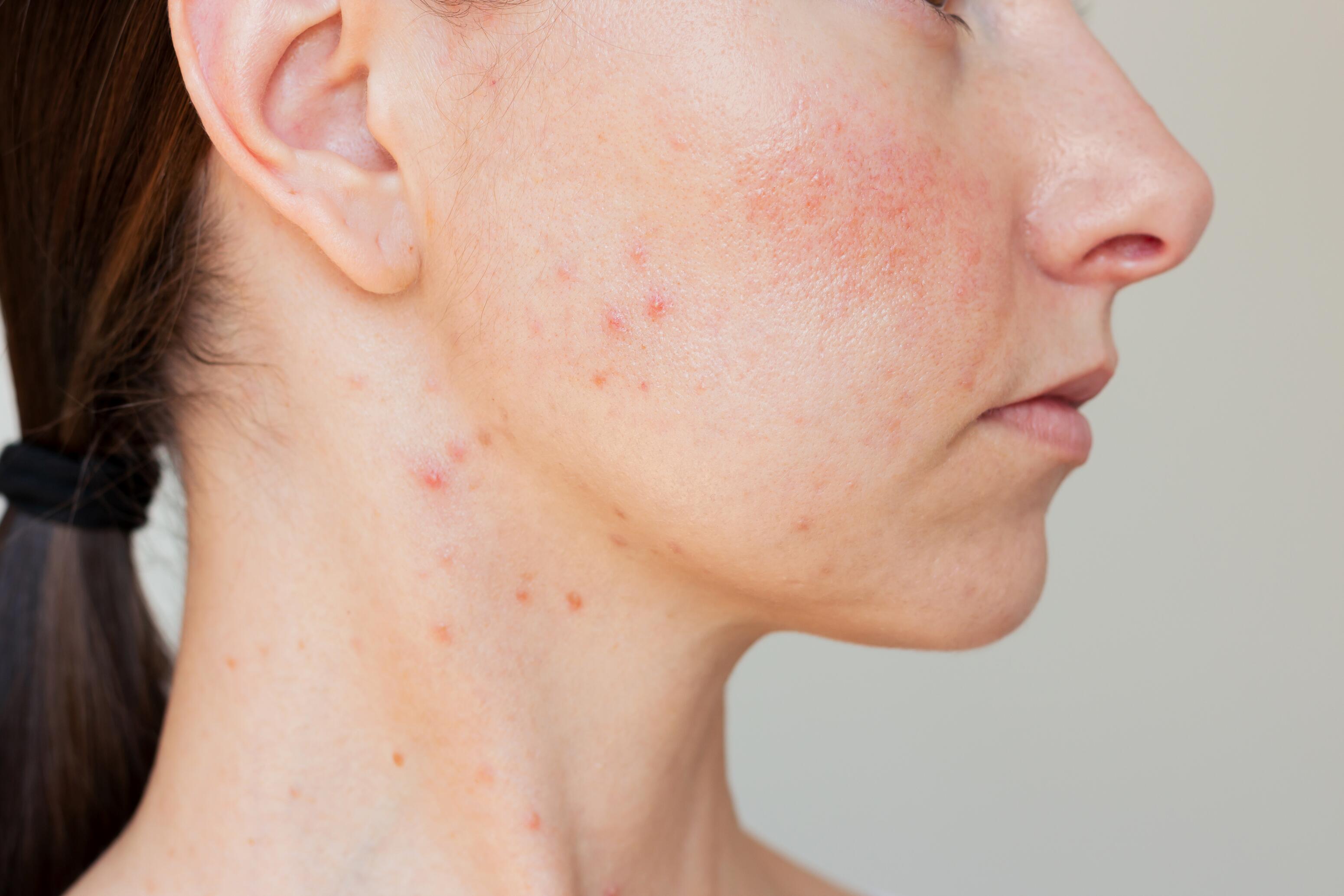
Acne on the neck is rarely mentioned, yet it affects nearly 49% of people with acne(6). It seems to appear mainly on the upper part of the neck (44% of cases), while the lower and posterior areas are less affected(6). Men are particularly affected, with more severe forms of acne (on the upper neck) than women.
Acne on the upper neck often seems to be associated with acne on the face. Conversely, acne lower down on the neck appears to be unrelated and may be influenced by other factors.
Although it is generally less severe than acne on the face, acne on the neck is still troublesome. The friction caused by clothing, scarves or necklaces can cause inflammation and slow down healing.
To limit breakouts, a first tip is to extend your facial skincare routine to your neck by using a gentle foaming gel to cleanse the skin and an anti-blemish serum to regulate breakouts.
Acne around the mouth
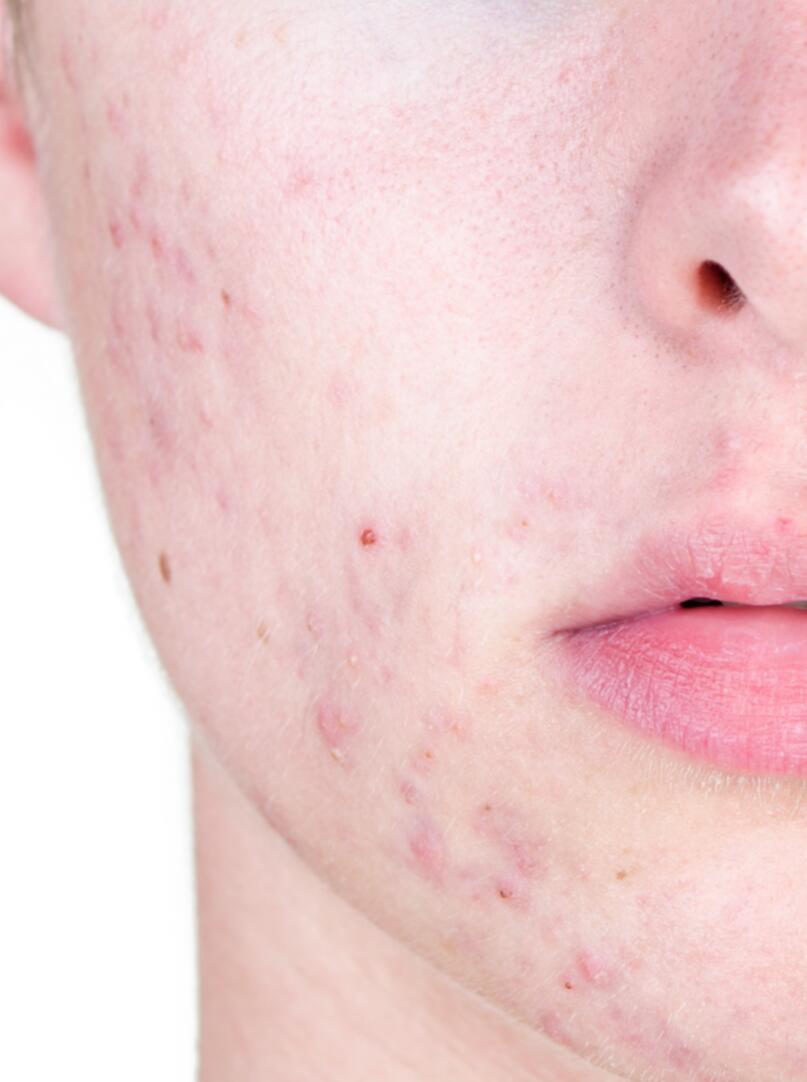
Acne around the mouth, also known as perioral acne, is a common form of adult acne that mainly affects women(7).
It manifests itself as acne spots around the lips, on the chin, and also on the jaw: red spots, inflammatory papules and sometimes pustules(7).
Hormonal fluctuations, particularly those related to the menstrual cycle, pregnancy or contraception, are a common cause. Stress, lack of sleep and certain comedogenic cosmetics can also contribute to breakouts. Wearing a mask, which retains heat and humidity, has also contributed to the development of "maskne"(5) (acne spots around the mouth, chin and jaw).
This type of perioral acne requires a comprehensive approach:
- A skincare routine tailored to skin types with acne on the face.
- Medical follow-up to receive medical care if necessary.
- Good stress management, restful sleep and a balanced diet can also help regulate breakouts.
Acne on the nose
The nose is part of the T-zone, where sebum production is naturally higher. In adolescents, hormonal activity stimulates the sebaceous glands, which promotes the development of acne(8), particularly acne spots on the nose. Comedones form when excess sebum and dead skin cells clog pores, while papules and pustules appear as a result of inflammation.
Certain external factors can also aggravate the appearance of acne spots on the nose: wearing glasses, which causes repeated rubbing, using unsuitable cosmetics, or poor skin hygiene, which promotes the accumulation of sebum and bacteria.
Start by adopting a daily skincare routine tailored to acne-prone skin to help limit the appearance of blemishes and improve the skin's appearance.
What causes spots on the face?
Acne is an inflammatory skin condition that affects the pilosebaceous follicles located beneath the epidermis(9).
The pilosebaceous follicles on the face consist of microscopic hairs associated with sebaceous glands. The large amount of sebum produced clogs the pores and leads to the first signs of acne, blackheads and whiteheads. These small spots can develop into red, inflamed spots, which are sometimes painful.
Spots on the faces of adults can have many causes: hormonal, medication, occupational, lifestyle, etc. It is important to consult with a doctor to assess the situation and, above all, to confirm the diagnosis if spots appear on the face.
How to get rid of acne spots on your face
Acne on the face (cheeks, nose, neck) is quite unsightly and
most people who have them want to get rid of them. The doctor prescribes treatment for spots on the face: this treatment is local or general, depending on the case.
While waiting to consult with your dermatologist, here are three initial tips for caring for acne-prone skin:
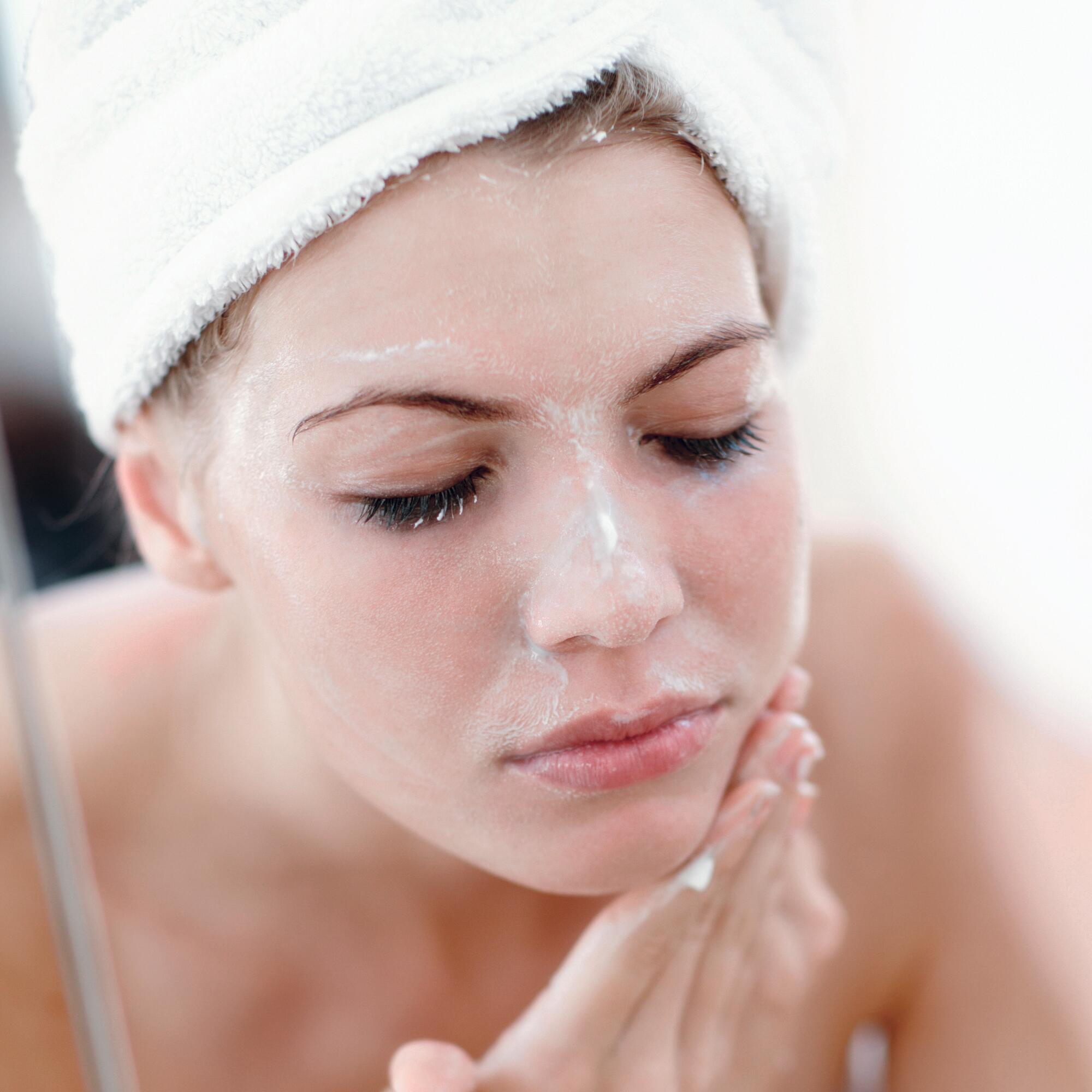
- Wash your face with a foaming cleansing gel twice a day.
- Apply an anti-blemish serum once or twice a day.
- Apply an anti-acne mask once or twice a week.
Avoid touching acne spots on your face and do not squeeze them, as this may cause secondary infection of the lesions and scarring.
Tip : spots on the faces of adults and teenagers can be concealed with suitable, pigment-rich make-up.
Sources :
(1) Heng, A., & Chew, F. (2020). Systematic review of the epidemiology of acne vulgaris. Scientific Reports, 10.
(2) Geng R, Sibbald RG. Acne Vulgaris: Clinical Aspects and Treatments. Adv Skin Wound Care. 2024 Feb 1;37(2):67-75. doi: 10.1097/ASW.0000000000000089. PMID: 38241449.
(3) Yenny, S. (2020). Acne:Clinico-Epidemiological Study In DermatologyVenereology Outpatient Clinic Of Dr. M. Djamil Hospital Padang During January 2016 – December 2018. International Journal of PharmTech Research, 13, 325-328.
(4) Kutlu Ö, Karadağ AS, Demirseren DD, İyidal AY, Tosun M, Kalkan G, Polat M, Kemeriz F, Türkoğlu Z, Erdoğan HK, Aktürk AŞ, Alyamaç G, Özden HK, Kılıç S, Kılınç F, Akbulut TÖ, Ermertcan AT, Sarıcaoğlu H, Cemil BÇ, Kayıran MA, Aksoy H, Alpsoy E. Epidemiological characteristics of different types of adult acne in Turkey: a prospective, controlled, multicenter study. Acta Dermatovenerol Alp Pannonica Adriat. 2023 Jun;32(2):49-55. PMID: 37365892.
(5) Spigariolo, C., Giacalone, S., & Nazzaro, G. (2022). Maskne: The Epidemic within the Pandemic: From Diagnosis to Therapy. Journal of Clinical Medicine, 11.
(6) Desai, K., Frey, M., & Tan, J. (2017). The Utility of Assessing Neck Acne. Journal of Cutaneous Medicine and Surgery, 21, 82 – 83.
(7) Bagatin E, Freitas THP, Rivitti-Machado MC, Machado MCR, Ribeiro BM, Nunes S, Rocha MADD. Adult female acne: a guide to clinical practice. An Bras Dermatol. 2019 Jan-Feb;94(1):62-75. doi: 10.1590/abd1806-4841.20198203. Erratum in: An Bras Dermatol. 2019 Mar-Apr;94(2):255. doi: 10.1590/abd1806-4841.2019940202.. Machado MCR [corrected to Rivitti-Machado MC]. PMID: 30726466; PMCID: PMC6360964.
(8) Bhate, K., & Williams, H. (2013). Epidemiology of acne vulgaris. British Journal of Dermatology, 168.
(9) Mohiuddin, A. (2019). A Comprehensive Review of Acne Vulgaris. Journal of Clinical Research in Dermatology.
Read also
- Discover Acne on black skin: how to get rid of it
Acne symptoms
Acne on black skin: how to get rid of it
- Discover Acne scars
Acne symptoms
Acne scars
- Discover Acne on the forehead
Acne symptoms
Acne on the forehead
- Discover Spots on the buttocks (acne): how to get rid of them
Acne symptoms
Spots on the buttocks (acne): how to get rid of them
- Discover Whiteheads: how to treat and get rid of them
Acne symptoms
Whiteheads: how to treat and get rid of them
- Discover Acne spots on the lips: causes and solutions
Acne symptoms
Acne spots on the lips: causes and solutions
- Discover Acne spots: what are they?
Acne symptoms
Acne spots: what are they?
- Discover Acne or rosacea?
Acne symptoms
Acne or rosacea?
- Discover Blackheads: what are they?
Acne symptoms
Blackheads: what are they?
- Discover Acne on the back
Acne symptoms
Acne on the back
Our targeted solutions for acne
Discover our complete range
- Anti-blemishes cleansing gel face and body
KERACNYL
Anti-blemishes cleansing gel face and bodyCleanses - Helps to get rid of imperfections - Anti-Blemish Cream
KERACNYL PP+
Anti-Blemish CreamAvoids skin marks - Helps to get rid of imperfections - Compensates for the effects of drying treatments


Our skincare routines
Oily or acne-prone skin
- Discover Anti-blemish face care summer routine for adult skin
Anti-blemish face care summer routine for adult skin
Do you have blemish-prone skin as an adult?