
Acne symptoms
- SUMMARY
- Acne
How to avoid acne scars
- What can you do about acne on a daily basis?
- Acne and the sun
- What soap should you use for acne?
- Acne and sport
- What kind of make-up should you use for acne?
- Diet and acne
- Peels for acne
- Zinc to fight acne
- Masks to tackle acne
- Taking the pill to tackle acne
- The role of essential oils in treating acne
- Homeopathic remedies for acne
- Acne symptoms
- Acne on the back
- Acne spots: what are they?
- Acne or rosacea?
- Blackheads: what are they?
- Facial acne: how to get rid of it
- Spots on the buttocks (acne): how to get rid of them
- Acne on the forehead
- Acne spots on the lips: causes and solutions
- Whitehead
- Acne scars
- Acne on black skin: how to get rid of it
- Acne on the chin

Acne can leave marks: acne scars are a reality for many people and can permanently alter the texture of your skin. Why do these marks persist? What types of scars are there? Above all, how can they be effectively reduced?
Discover everything you need to know about acne scars in this article, from preventive measures to medical treatments.
How do acne scars appear?
Acne scars are a well-known symptom of acne but they do not always appear. Scar formation actually depends on several factors:
- The severity of the acne (there is a greater risk of developing acne scars in cases ofsevere acne).
- The duration of the inflammation (prolonged inflammation may increase tissue damage).
- Genetics (some skin types heal more slowly than others).
- Touching (for example squeezing or scratching spots, which increases the risk of scarring): this is why we are often told to avoid touching acne spots.
- Medical intervention (products, medical treatments), when it takes place too late.
In fact, acne scars are the result of an imbalance in the skin’s natural repair process. When a spot causes deep inflammation, the skin attempts to regenerate itself by producing collagen. However, this process can be altered, giving rise to several types of scars:
- "Recessed" atrophic acne scars, which appear when collagen production is insufficient to compensate for tissue loss(1), and which can take on three different appearances(2-3):
1. Ice pick scars, which are deep and narrow, have a hole-like appearance, like perforations in the skin.
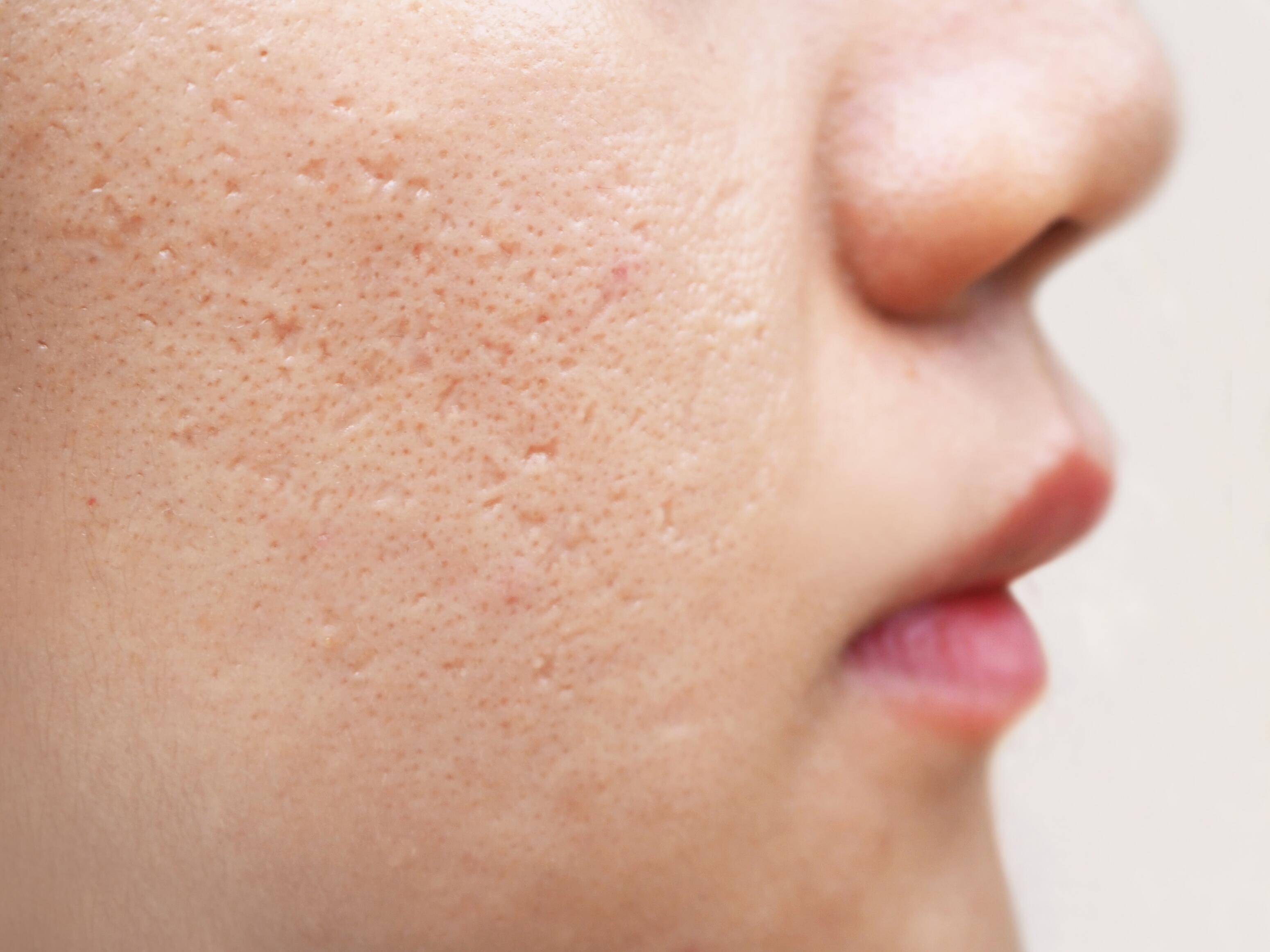
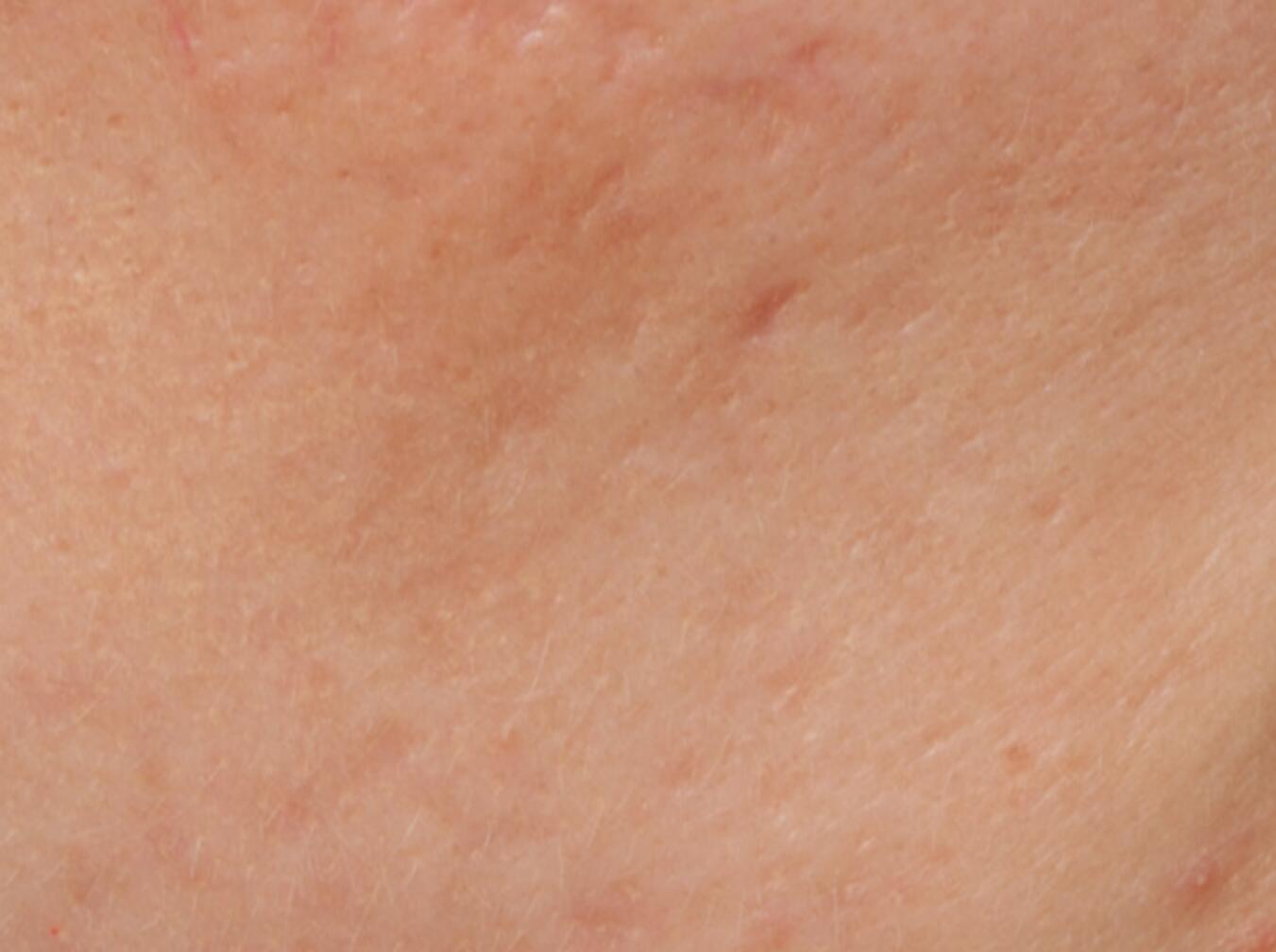
2. Boxcar scars, which are wider, with sharp, angular edges, resemble small rectangular depressions in the skin.
3. Rolling scars, which are not very deep but extensive, create a wavy or uneven texture on the skin.
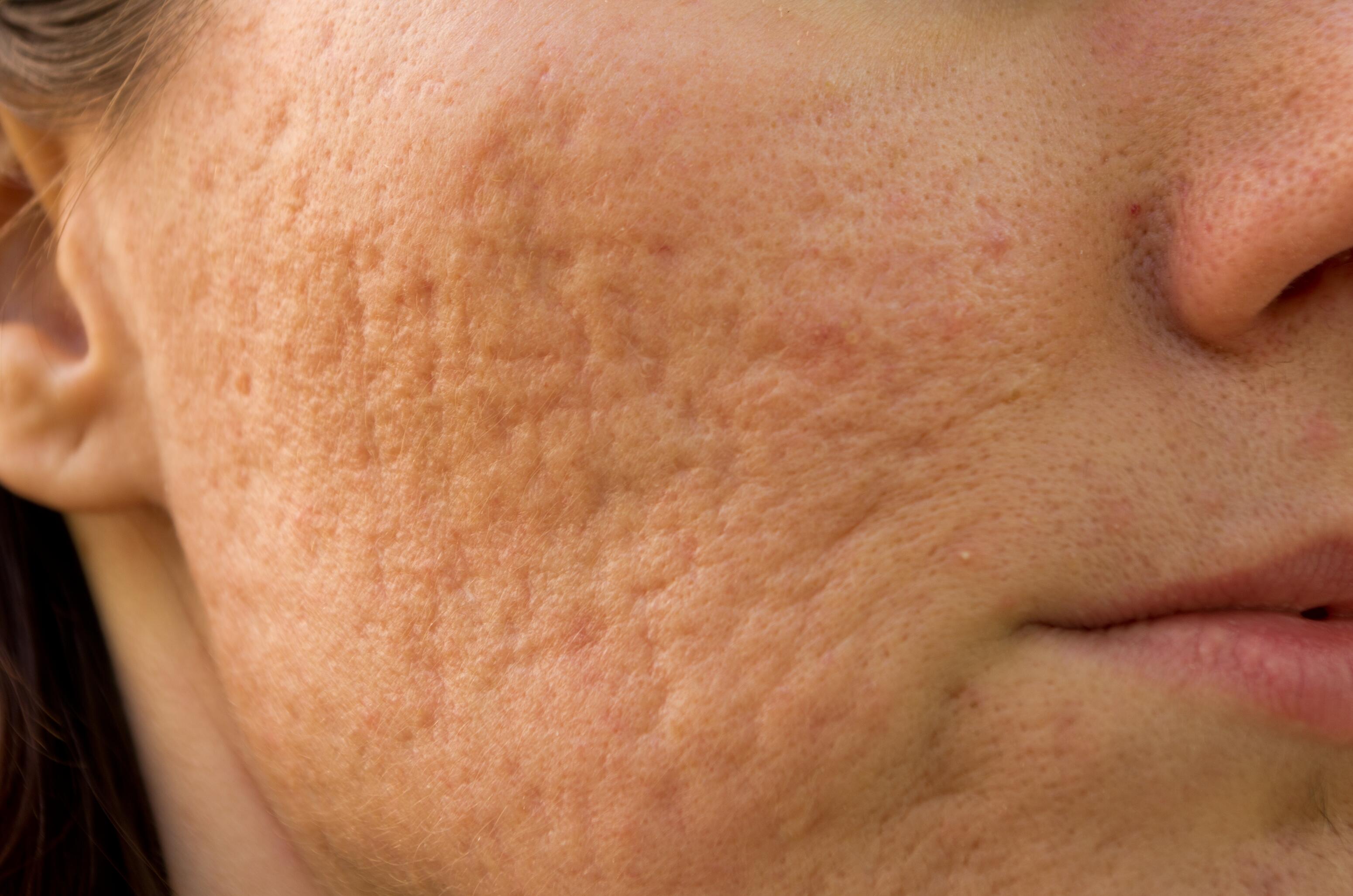
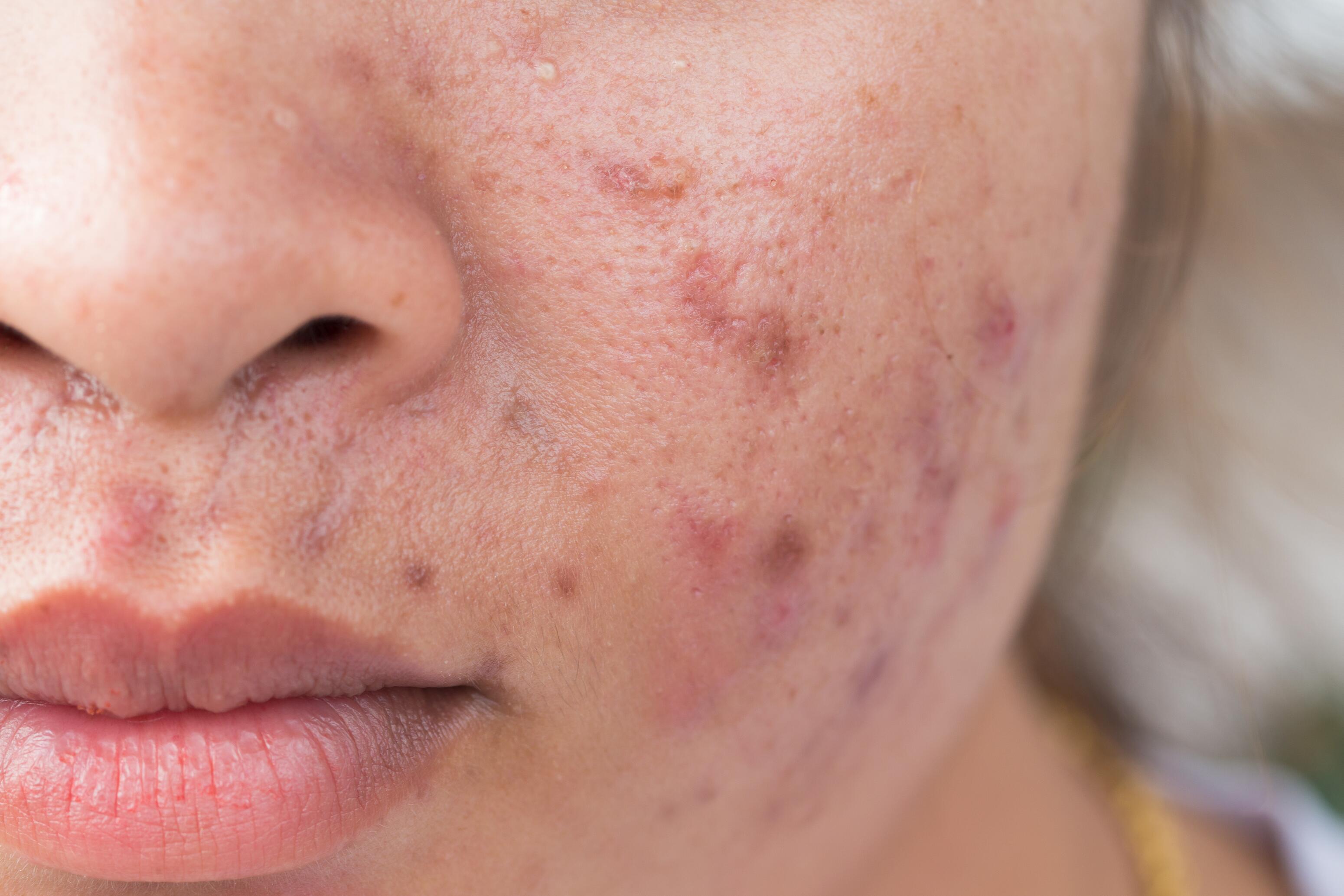
"Raised” hypertrophic or keloid acne scars(4), which, unlike atrophic scars, are caused by an overproduction of collagen, form raised areas of varying thickness. Hypertrophic scars remain confined to the initial area, whereas keloids can spread beyond it and become larger. They are more common on areas such as the back and jaw.
Post-acne pigmentation spots(5) are neither "recessed" nor "raised", but they can be just as troublesome as classic acne scars. These post-inflammatory spots may be red (post-inflammatory erythema) or brown (post-inflammatory hyperpigmentation). Unlike scars, they are not permanent and can fade over time with good sun protection.
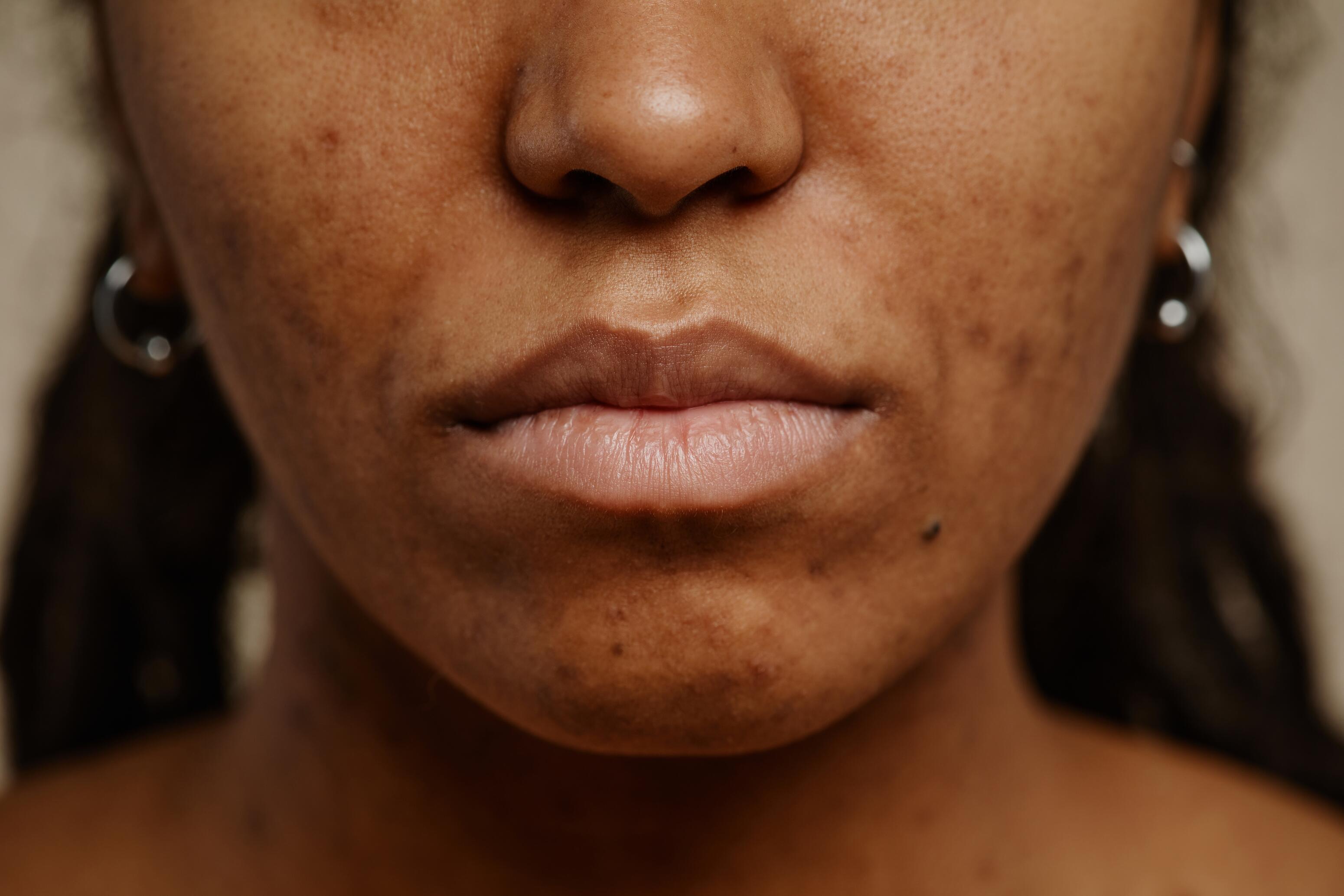
Be careful when touching spots! Popping, scratching, or rubbing a spot promotes inflammation and increases the risk of persistent scarring. This is why dermatologists recommend early and appropriate acne treatment to minimise its effects.
Finally, certain areas are more prone to acne scars, particularly acne scars on the face, but also acne scars on the back, where the skin is thicker and lesions are often more inflammatory.
Tips to avoid acne scars
There's no real secret... The best way to avoid acne scars is to take action at the first sign of breakouts and adopt habits that protect the skin and promote proper healing. Here are six tips to minimise post-acne marks and maintain an even skin tone as much as possible:
1. Treat acne as soon as it appears Acne left untreated can lead to prolonged inflammation and an increased risk of scarring.
As soon as the first lesions appear, use dermatological products recommended or prescribed by your dermatologist (retinoid creams, benzoyl peroxide, azelaic acid, etc.).
In cases of moderate to severe acne, consult with a dermatologist promptly to consider a more targeted treatment.
2. Avoid touching or popping your spots Scratching or popping a spot promotes inflammation and the spread of bacteria, which increases the risk of deep scarring. Leave the skin alone as much as possible.
3. Soothe inflammation at the first sign with an anti-acne skincare routine Red, inflamed spots are more likely to leave marks. To reduce inflammation, adopt a skincare routine suited to acne-prone skin with a cleansing product and a daily treatment, like a soothing anti-inflammatory cream or an anti-blemish serum (containing azelaic acid, for example).
4. Protect your skin from the sun and keep it well moisturised UV rays aggravate post-inflammatory hyperpigmentation and slow down healing. Apply SPF 50+ sun cream every morning, even in winter, to prevent brown spots and avoid accentuating residual marks.
5. Opt for preventive dermatological care
Certain treatments available at the clinic can improve healing even before persistent marks appear, such as:
- Gentle chemical peels to accelerate cell renewal.
- Microneedling or soft lasers to stimulate collagen production.
6. Consult with a professional promptly if you have persistent acne
If, despite these precautions, your acne consistently leaves marks or becomes difficult to control, consult with your dermatologist again as soon as possible to reassess your treatment.
Also remember to stay well hydrated, as well-hydrated skin heals better!
How do I get rid of acne scars?
It is rarely possible to completely remove acne scars, but there are now many solutions available to significantly improve their appearance.
The treatment choice depends on the type of scar (atrophic, hypertrophic, pigmented), their depth and how old they are. A personalised approach is therefore necessary when deciding on the combination of treatments to optimise results. The dermatologist may recommend specific solutions, ranging from topical treatments to more advanced treatments such as lasers or microneedling.
In the meantime, covering acne scars with make-up remains an effective temporary option for evening out your skin tone and regaining self-confidence.
Medical treatments
Medical treatments are often prescribed by a dermatologist to reduce acne, minimise scarring as much as possible, and ideally, attempt to remove existing acne scars. These treatments may be topical (local application) or systemic (oral medication).
1. Topical treatments (local application)
These are often prescribed as a first-line treatment to regulate sebum production, limit inflammation and promote skin renewal. These particularly include:
- Benzoyl peroxide(6), which is an effective antibacterial agent against the bacterium Cutibacterium acnes. It helps reduce inflammation and prevents the formation of new lesions.
- Topical retinoids (tretinoin, adapalene, etc.), which work by accelerating cell renewal and stimulating collagen production. This helps to limit pore blockage and improve the appearance of superficial scars.
- Azelaic acid, which has anti-inflammatory properties and acts on pigmented scars by regulating the production of melanin (skin pigment).
- Topical antibiotics (clindamycin, etc.) reduce bacterial proliferation and inflammation associated with inflammatory acne, thereby limiting the risk of scarring.
2. Systemic treatments (oral medications) These are used for moderate to severe acne or when topical treatments are not sufficient. They include:
- Isotretinoin(7): this oral treatment does not directly treat acne scars but prevents their appearance by reducing inflammation and sebaceous gland activity. However, it should be avoided before certain dermatological treatments such as laser treatments or chemical peels, as it weakens the skin and can slow down healing.
- Oral antibiotics (doxycycline, minocycline, lymécycline, etc.): these are prescribed to reduce inflammation and prevent the formation of new acne lesions. They should be used for a limited period of time to avoid bacterial resistance.
- Intralesional corticosteroids, which are mainly used for hypertrophic acne scars and keloids, reduce inflammation and slow down excessive collagen production. They are administered by injection directly into the lesion. Several sessions are required to achieve visible improvement.
- Hormonal treatments (oral contraceptives, spironolactone), recommended for women suffering from hormonal acne, can reduce inflammatory acne and indirectly limit the risk of scarring.
We can also mention treatments aimed at preventing post-inflammatory pigmentation, such as:
- Topically applied antioxidants (vitamin C, niacinamide).
- Of course, SPF 50+ sun protection is essential to prevent the worsening of pigmentation scars caused by UV rays.
These medical treatments either prevent the formation of acne scars or improve the appearance of superficial scars. Deeper scars require specific dermatological treatment.
Dermatological treatments
Dermatological treatments target acne scars directly and produce visible results(8). However, you must wait until the acne has stabilised before starting these treatments.
Among the existing solutions are:
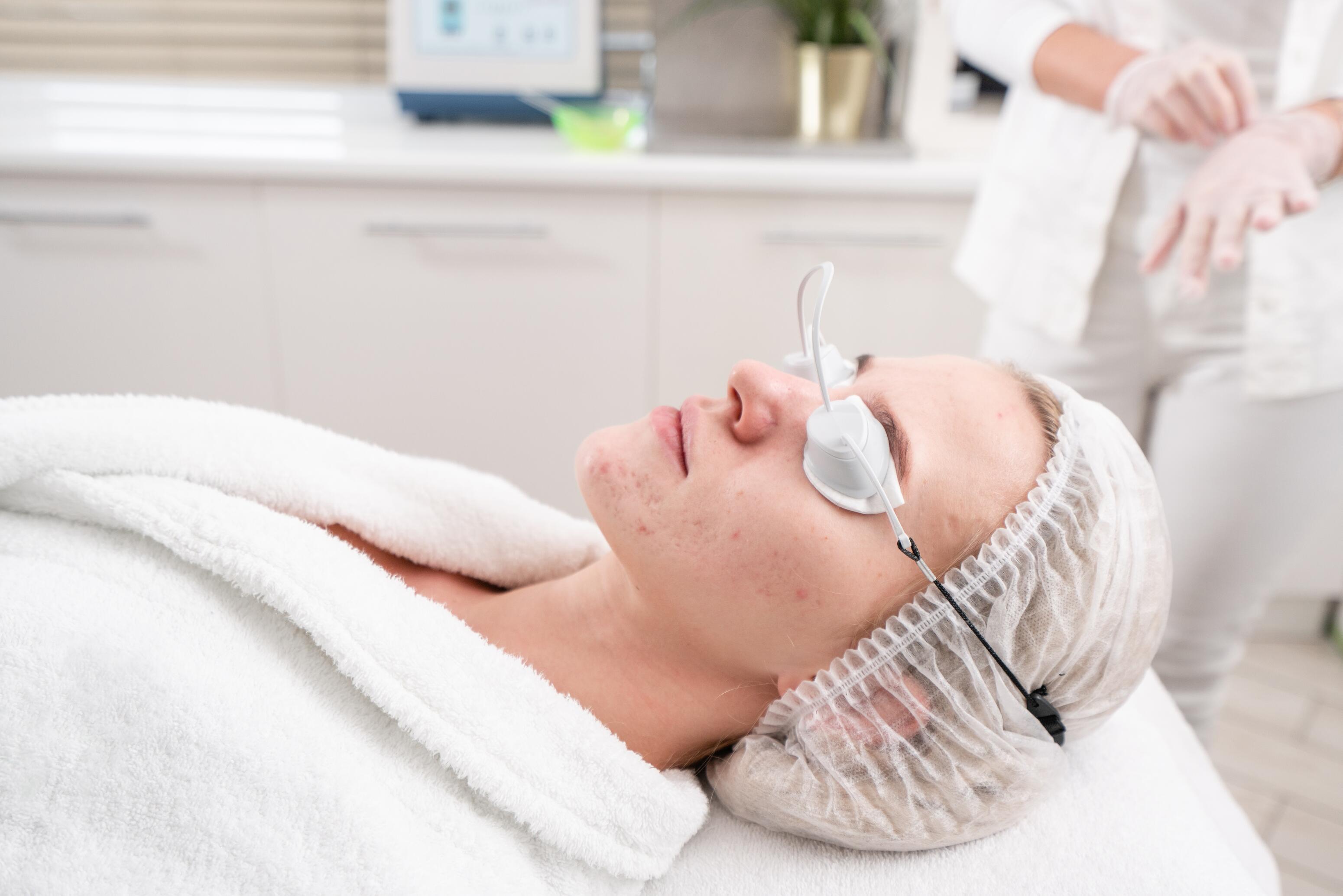
- Fractional laser treatment(9) (CO2, Erbium-YAG): these treatments stimulate collagen production and improve atrophic scars. Several sessions are required, with costs ranging from £200 to £1000 per session.
- Fractional radiofrequency(9), which is an interesting alternative for dark or sensitive skin. It improves skin texture with less risk of post-inflammatory pigmentation.
- Chemical peels(10) using TCA (trichloroacetic acid) are effective in smoothing the skin and reducing superficial scars. Medium to deep peels also offer good results but require a longer recovery time.
- Microneedling(10), which involves using a pen equipped with micro-needles to stimulate skin regeneration. This technique is effective on atrophic scars, particularly when combined with active ingredients such as hyaluronic acid or vitamin C.
- Subcision, a minor surgical technique that loosens the fibrous adhesions of deep scars to improve their appearance. It can be combined with filler injections (hyaluronic acid) for better results.
- Dermal fillers(10) (hyaluronic acid): these injections offer temporary improvement to recessed scars but must be repeated regularly.
New technologies and protocols continue to emerge regularly to improve the treatment of acne scars, such as:
- The picosecond laser(11-12), a fast and effective treatment for pigment spots.
- PRP therapy (Platelet-Rich Plasma) therapy, which uses the patient's own plasma to accelerate skin regeneration. This technique is often combined with microneedling(13) or fractional laser treatment to enhance results(14).
- Regenerative medicine with stem cell injections to restructure the skin.
- Artificial intelligence in dermatology, which enables highly personalised diagnosis of scars.
Natural treatments and home remedies
While natural remedies cannot eliminate acne scars, certain treatments can improve skin quality and prevent residual marks:
- Honey has healing and soothing properties (but it cannot remove existing acne scars).
- Certain essential oils are known for their anti-inflammatory effects and can help calm post-acne redness, but like honey, they cannot remove acne scars. Always seek advice from a healthcare professional before using essential oils to avoid misuse or allergic reactions.
- Also consider massage and moisturising techniques, which are very useful and effective in improving the flexibility of hypertrophic scars.
Warning! Avoid harsh remedies such as lemon or bicarbonate of soda, which can irritate the skin and aggravate scarring.
Skincare to reduce acne scars
A daily skincare routine to cleanse and moisturise the skin is essential to optimise healing and prevent new marks from appearing:
- Use a soap-free foaming gel, suitable for acne-prone skin, morning and evening, to cleanse your skin.
- Apply a soothing and restorative cream daily and take the time to gently massage the scars.
- Remember to protect your skin with SPF 50+ sun cream to prevent hyperpigmentation exacerbated by UV rays.
Sources :
(1) Moon, J., Moon, J., Yoon, J., Yang, J., Yang, J., Kwon, H., Min, S., Suh, D., & Suh, D. (2019). Atrophic acne scar: a process from altered metabolism of elastic fibres and collagen fibres based on transforming growth factor‐β1 signalling. British Journal of Dermatology, 181.
(2) Jacob, C., Dover, J., & Kaminer, M. (2001). Acne scarring: a classification system and review of treatment options.. Journal of the American Academy of Dermatology, 45 1, 109-17 .
(3) Connolly D, Vu HL, Mariwalla K, Saedi N. Acne Scarring-Pathogenesis, Evaluation, and Treatment Options. J Clin Aesthet Dermatol. 2017 Sep;10(9):12-23. Epub 2017 Sep 1. PMID: 29344322; PMCID: PMC5749614.
(4) Ogawa, R. (2021). The Most Current Algorithms for the Treatment and Prevention of Hypertrophic Scars and Keloids: A 2020 Update of the Algorithms Published 10 Years Ago. Plastic and Reconstructive Surgery, 149, 79 - 94.
(5) Elbuluk, N., Grimes, P., Chien, A., Hamzavi, I., Alexis, A., Taylor, S., González, N., Weiss, J., Desai, S., & Kang, S. (2021). The Pathogenesis and Management of Acne-Induced Post-inflammatory Hyperpigmentation. American Journal of Clinical Dermatology, 22, 829 - 836.
(6) Dréno, B., Bissonnette, R., Gagné-Henley, A., Barankin, B., Lynde, C., Kerrouche, N., & Tan, J. (2018). Prevention and Reduction of Atrophic Acne Scars with Adapalene 0.3%/Benzoyl Peroxide 2.5% Gel in Subjects with Moderate or Severe Facial Acne: Results of a 6-Month Randomized, Vehicle-Controlled Trial Using Intra-Individual Comparison. American Journal of Clinical Dermatology, 19, 275 - 286.
(7) Bagatin, E., & Costa, C. (2020). The use of isotretinoin for acne – an update on optimal dosing, surveillance, and adverse effects. Expert Review of Clinical Pharmacology, 13, 885 - 897.
(8) Chilicka, K., Rusztowicz, M., Szyguła, R., & Nowicka, D. (2022). Methods for the Improvement of Acne Scars Used in Dermatology and Cosmetology: A Review. Journal of Clinical Medicine, 11.
(9) Bhargava, S., Cunha, P., Lee, J., & Kroumpouzos, G. (2018). Acne Scarring Management: Systematic Review and Evaluation of the Evidence. American Journal of Clinical Dermatology, 19, 459-477.
(10) Kravvas, G., & Al‐Niaimi, F. (2017). A systematic review of treatments for acne scarring. Part 1: Non-energy-based techniques. Scars, burns & healing, 3.
(11) Yang, C., Huang, Y., Cheng, C., Hu, S., Chang, S., & Lee, M. (2020). A Prospective Study of Fractionated Dual‐Wavelength Picosecond Laser in Treating Acne Scar. Lasers in Surgery and Medicine, 52.
(12) Sirithanabadeekul, P., Tantrapornpong, P., Rattakul, B., Sutthipisal, N., & Thanasarnaksorn, W. (2020). Comparison of Fractional Picosecond 1064-nm Laser and Fractional Carbon Dioxide Laser for Treating Atrophic Acne Scars: A Randomized Split-Face Trial.. Dermatologic Surgery.
(13) Kang, C., & Lu, D. (2022). Combined Effect of Microneedling and Platelet-Rich Plasma for the Treatment of Acne Scars: A Meta-Analysis. Frontiers in Medicine, 8.
(14) Chang, H., Sung, C., & Lin, M. (2019). Efficacy of Autologous Platelet-Rich Plasma Combined With Ablative Fractional Carbon Dioxide Laser for Acne Scars: A Systematic Review and Meta-Analysis.. Aesthetic surgery journal, 39 7, NP279-NP287 .
Read also
- Discover Acne on black skin: how to get rid of it
Acne symptoms
Acne on black skin: how to get rid of it
- Discover Acne on the forehead
Acne symptoms
Acne on the forehead
- Discover Spots on the buttocks (acne): how to get rid of them
Acne symptoms
Spots on the buttocks (acne): how to get rid of them
- Discover Facial acne: how to get rid of it
Acne symptoms
Facial acne: how to get rid of it
- Discover Whiteheads: how to treat and get rid of them
Acne symptoms
Whiteheads: how to treat and get rid of them
- Discover Acne spots on the lips: causes and solutions
Acne symptoms
Acne spots on the lips: causes and solutions
- Discover Acne spots: what are they?
Acne symptoms
Acne spots: what are they?
- Discover Acne or rosacea?
Acne symptoms
Acne or rosacea?
- Discover Blackheads: what are they?
Acne symptoms
Blackheads: what are they?
- Discover Acne on the back
Acne symptoms
Acne on the back
Our targeted solutions for acne
Discover our complete range
- Anti-blemishes cleansing gel face and body
KERACNYL
Anti-blemishes cleansing gel face and bodyCleanses - Helps to get rid of imperfections - Anti-Blemish Cream
KERACNYL PP+
Anti-Blemish CreamAvoids skin marks - Helps to get rid of imperfections - Compensates for the effects of drying treatments


Our skincare routines
Oily or acne-prone skin
- Discover Anti-blemish face care summer routine for adult skin
Anti-blemish face care summer routine for adult skin
Do you have blemish-prone skin as an adult?