
What can you do about acne on a daily basis?
- SUMMARY
- Acne
Masks to tackle acne
- What can you do about acne on a daily basis?
- Acne and the sun
- What soap should you use for acne?
- Acne and sport
- What kind of make-up should you use for acne?
- Diet and acne
- Peels for acne
- Zinc to fight acne
- Masks to tackle acne
- Taking the pill to tackle acne
- The role of essential oils in treating acne
- Homeopathic remedies for acne
- Acne symptoms
- Acne on the back
- Acne spots: what are they?
- Acne or rosacea?
- Blackheads: what are they?
- Facial acne: how to get rid of it
- Spots on the buttocks (acne): how to get rid of them
- Acne on the forehead
- Acne spots on the lips: causes and solutions
- Whitehead
- Acne scars
- Acne on black skin: how to get rid of it
- Acne on the chin

Masks to tackle acne
Updated on , approved by our DUCRAY medical experts.
Whatever your skin type, applying a face mask is something that we all enjoy doing from time to time, for our skin and for ourselves. For acne-prone skin, anti-acne masks can be useful in helping to regulate sebum and unclog pores.
How to choose the right mask for your skin type What are the most effective ingredients for treating spots? Is it safe to use a homemade anti-acne mask? How can I avoid mistakes that could worsen acne?
In this article, discover the benefits of anti-acne masks and practical tips for incorporating them into your routine.
How do anti-acne masks work?
Anti-acne masks are targeted treatments that stand out for how long they are applied for, a characteristic that allows them to work deeply on the skin. This predefined application time maximises the effectiveness of the active ingredients by allowing them to remain in contact with the skin while avoiding undesirable effects (irritation or dryness).
To ensure safe use, the masks are tested and approved by various clinical studies. These studies allow us to test their safety, tolerance and benefits, specifically on acne-prone skin.
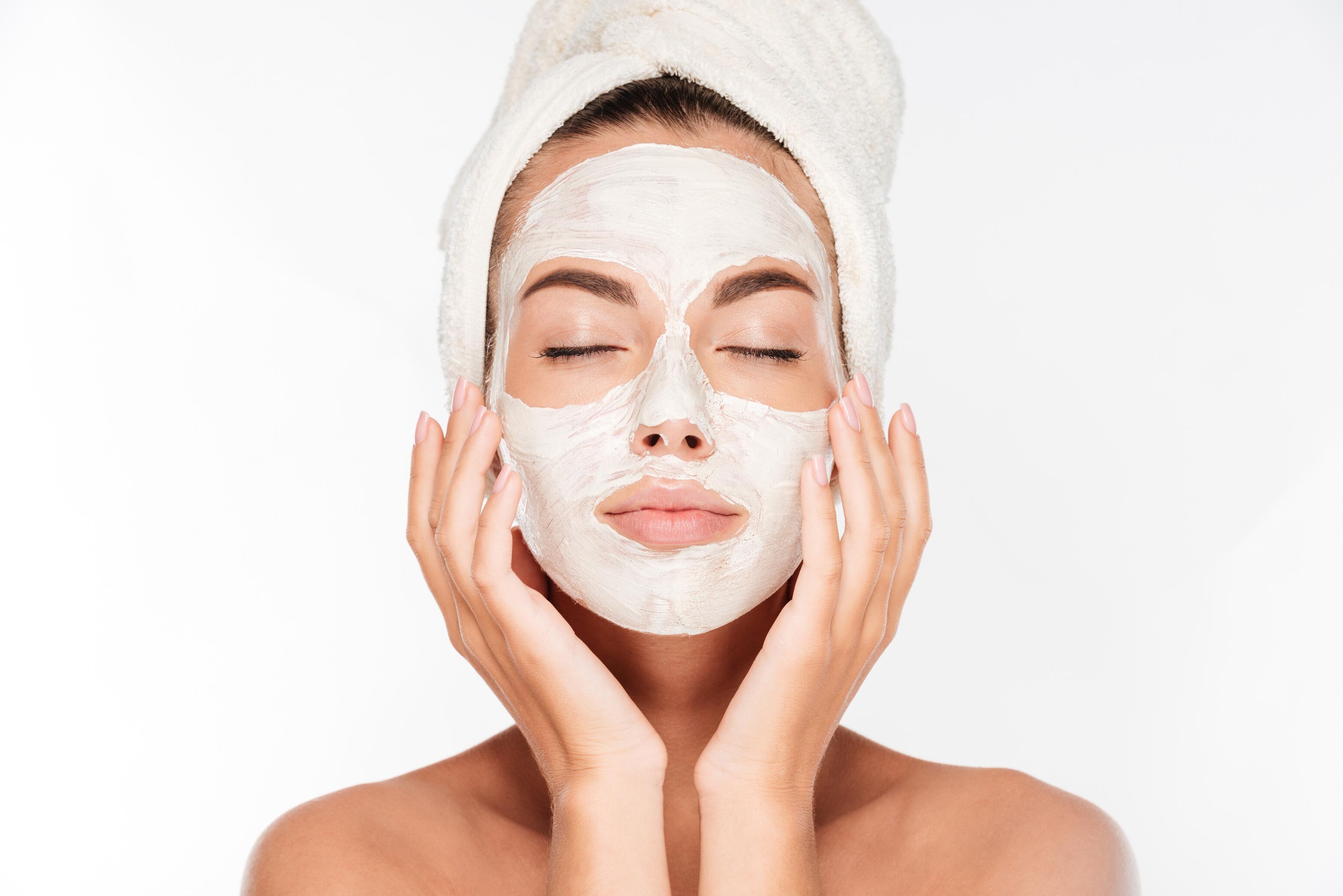
Here are the main actions they can take on the skin:
- Anti-acne masks help regulate sebum. Purifying ingredients such as clay and zinc absorb excess sebum and reduce shine.
- Anti-acne masks exfoliate the skin. Through mechanical or chemical action, particularly if they contain mild acids (AHA, BHA), they help unclog pores, remove the dead cells responsible for blackheads and refine the skin’s texture.
Tip for acne-prone skin that has been weakened or dried out by medical treatments: a compensating cream, applied thickly like a mask, can also intensely moisturise and soothe sensitive skin.
A well-chosen anti-acne mask can therefore be an excellent addition to an anti-acne routine to reduce blemishes and improve the overall appearance of the skin.
How to use anti-acne masks
The anti-acne mask is an active ingredient-filled treatment, but applying it every day will not get rid of acne more quickly. On the contrary, it may cause irritation or an overproduction of sebum, which is the opposite of the desired effect.
So how often should I use an anti-acne mask? Generally once or twice a week, depending on your skin's needs.
To get the best results, here is some advice and steps to follow:
- Wash your hands thoroughly before starting.
- Then thoroughly cleanse your face with a gentle foaming gel cleanser to remove impurities and excess sebum. A gentle exfoliation can be performed before applying the mask to maximise its effects, unless the anti-acne mask already has an exfoliating action.
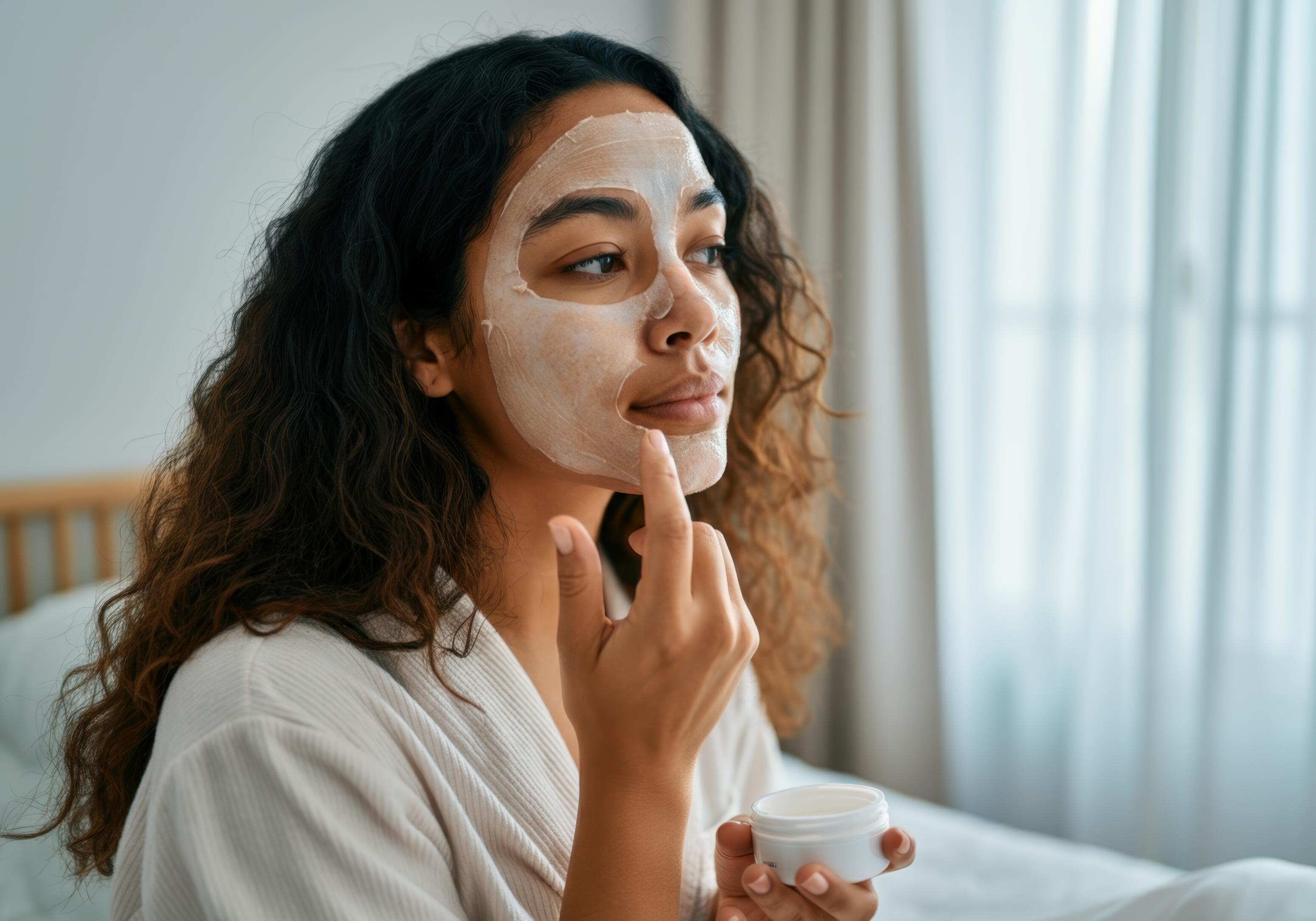
- Apply the mask with your finger, spreading it in a thin layer onto dry or slightly damp skin. Avoid the eye and lip areas. Remember to clean your brush regularly if you use one.
- Leave the anti-acne mask on for the recommended time (usually 10 to 15 minutes). Do not exceed this time limit to avoid irritating the skin.
- Use lukewarm water to remove the product, then pat the skin dry with a clean towel.
- Finally, apply a non-comedogenic moisturiser to soothe and protect your skin.
What about homemade anti-acne masks?
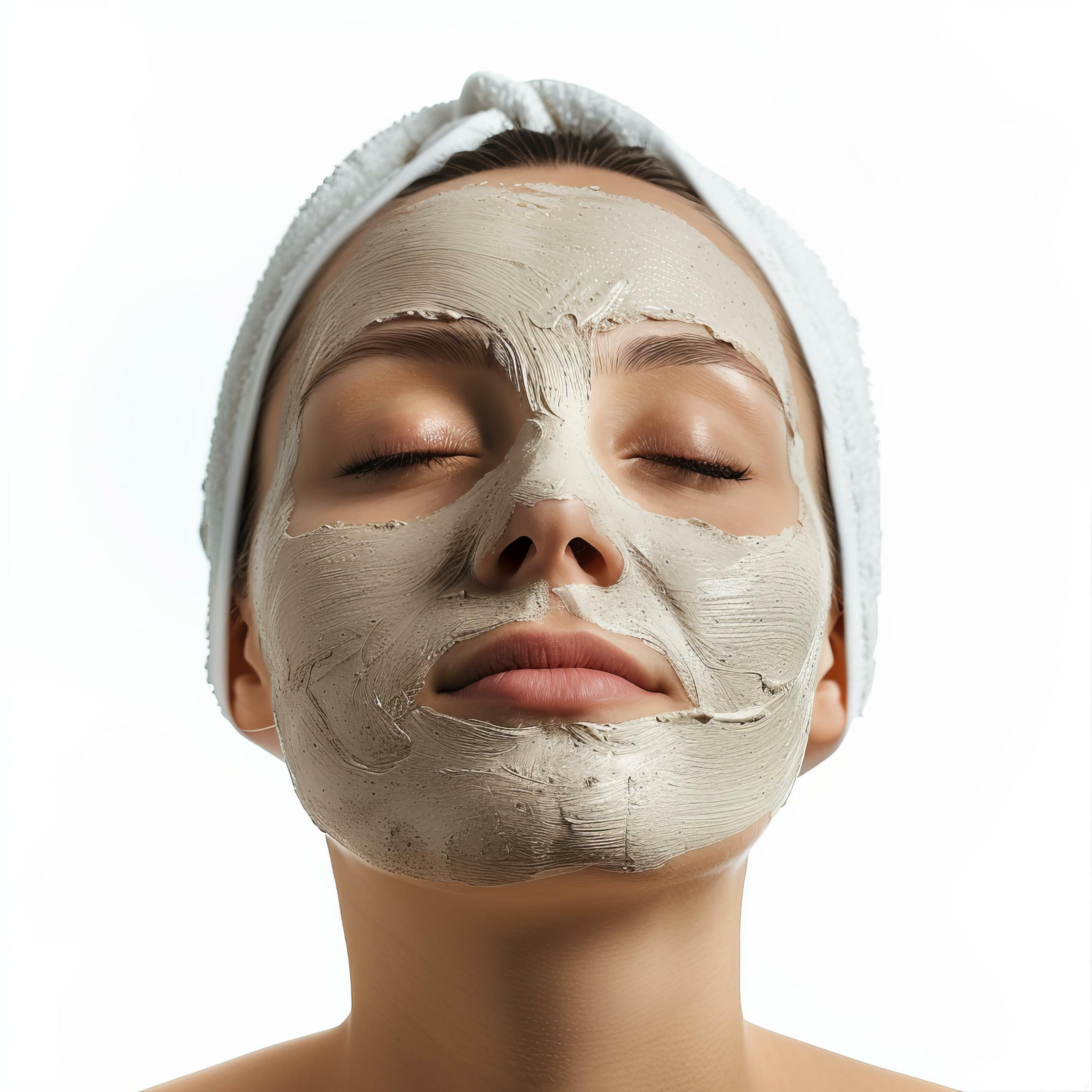
Homemade anti-acne masks appeal because of their simplicity and natural ingredients. However, it is important to remember that natural does not mean risk-free: some ingredients may be irritants or allergens. Storing these anti-acne masks can also be problematic: they can become a breeding ground for bacteria if they are not used straight away.
When we talk about homemade masks to tackle acne, these may include:
- Homemade anti-acne masks made from clay, rehydrated with water before application.
- Homemade anti-acne masks based on recipes found on the internet or social media, which may contain ingredients that are potentially irritating or not well tolerated. To avoid any adverse skin reactions, it is therefore recommended to test any homemade preparation on a small area of skin before applying it to the face.
In any case, before you start making a homemade anti-acne mask, or before applying a homemade anti-acne mask, you should ask your dermatologist or chemist for advice.
Finally, don't forget! The main tips for dealing with acne are:
- Consult with a healthcare professional for early treatment of spots.
- Avoid touching your spots.
- Adopt a daily skincare routine suited to acne-prone skin: cleanse your face with a purifying foaming gel and apply an anti-blemish treatment in the form of a cream or serum.
Homemade anti-acne mask
There are numerous recipes available on the internet and in magazines.
The first step is to add one ingredient to your usual skincare routine, for example a drop of tea tree essential oil, known for its cleansing properties.
A second step is to make your own anti-acne mask using natural ingredients such as clay, lemon juice, honey, certain vegetable oils or essential oils.
Anti-acne chin mask
Acne on the chin is often linked to hormonal imbalances, particularly in adult women. This type of acne is characterised by inflammatory spots and painful cysts located around the chin and jawline.
A purifying anti-acne mask for the chin can be an excellent addition to unclog pores and soothe inflammation caused by hormonal acne.
For example, you can opt for clay-based anti-acne masks to regulate sebum and calm redness. Apply a thin layer to the chin once or twice a week.
However, comprehensive treatment including a tailored routine (with a soap-free foaming gel cleanser and an anti-blemish serum), a healthy lifestyle and medical supervision is essential for the long-term treatment of hormonal acne in adult women(1).
The dermatologist may prescribe topical treatments (retinoids, azelaic acid) or oral treatments (spironolactone, contraceptive pill) tailored to your situation.
Sources :
Bagatin, E., Rocha, M., Freitas, T., & Costa, C. (2021). Treatment challenges in adult female acne and future directions. Expert Review of Clinical Pharmacology, 14, 687 - 701.
Read also
- Discover Homeopathic remedies for acne
What can you do about acne on a daily basis?
Homeopathic remedies for acne
- Discover Taking the pill to tackle acne
What can you do about acne on a daily basis?
Taking the pill to tackle acne
- Discover Peels for acne
What can you do about acne on a daily basis?
Peels for acne
- Discover Zinc to fight acne
What can you do about acne on a daily basis?
Zinc to fight acne
- Discover Acne and sport
What can you do about acne on a daily basis?
Acne and sport
- Discover What kind of make-up should you use for acne?
What can you do about acne on a daily basis?
What kind of make-up should you use for acne?
- Discover What soap should you use for acne?
What can you do about acne on a daily basis?
What soap should you use for acne?
- Discover Acne and the sun
What can you do about acne on a daily basis?
Acne and the sun
- Discover Diet and acne
What can you do about acne on a daily basis?
Diet and acne
Our targeted solutions for acne
Discover our complete range
- Anti-blemishes cleansing gel face and body
KERACNYL
Anti-blemishes cleansing gel face and bodyCleanses - Helps to get rid of imperfections - Anti-Blemish Cream
KERACNYL PP+
Anti-Blemish CreamAvoids skin marks - Helps to get rid of imperfections - Compensates for the effects of drying treatments


Our skincare routines
Oily or acne-prone skin
- Discover Anti-blemish face care summer routine for adult skin
Anti-blemish face care summer routine for adult skin
Do you have blemish-prone skin as an adult?